6 Garnish-Growing Steps to Prepare a Cocktail Garden
Growing your own cocktail garnishes transforms a ritual into a harvest. Fresh mint releases menthol crystals when bruised, basil carries eugenol compounds that amplify gin botanicals, and a single sprig of rosemary contributes alpha-pinene aromatics that bottled versions cannot replicate. How to prepare a garden for a cocktail vegetable garden begins with understanding that herbs and edible flowers demand lean soils, precise drainage, and microbial partnerships that amplify essential oil production. This guide provides six empirical steps to establish a dedicated garnish plot.
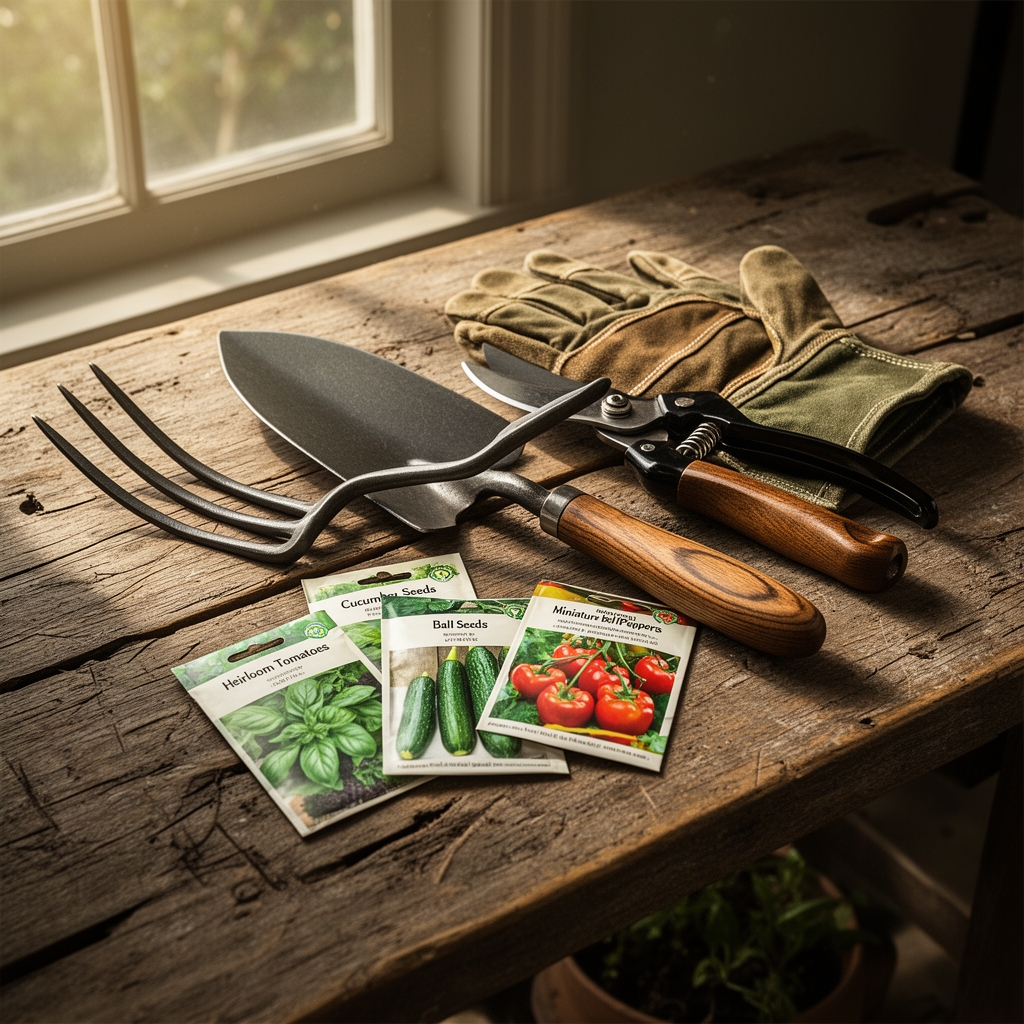
Materials
Soil Amendments (pH 6.0–7.0)
- Aged compost (3:1 carbon-to-nitrogen ratio): 2 cubic feet per 10 square feet
- Worm castings: 1/4 inch top-dress for cation exchange capacity
- Perlite or pumice (3–5 mm): 20% by volume to ensure drainage velocity above 2 inches per hour
- Dolomitic lime: 5 pounds per 100 square feet if soil test shows pH below 5.8
Fertilizers (Low Nitrogen Bias)
- Organic 4-4-4 granular blend (kelp meal, bone meal, greensand): 1/2 cup per plant at transplant
- Fish emulsion diluted to 1 tablespoon per gallon: biweekly foliar feed
- Rock phosphate: 2 pounds per 100 square feet to support root lignification
Inoculants and Biologics
- Mycorrhizal fungi (Glomus intraradices): 1 teaspoon per transplant hole
- Bacillus subtilis suspension: 1 ounce per gallon soil drench for pathogen suppression
Infrastructure
- Raised bed lumber (untreated cedar or composite): 8 inches minimum depth
- Drip irrigation tubing (0.6 GPH emitters spaced 12 inches)
- Floating row cover (0.55 oz/sq yd) for early establishment
Timing
Hardiness Zones 5–7: Begin soil preparation after last frost date minus 21 days. Transplant basil, mint, and shiso when soil temperature stabilizes at 55°F (late May to mid-June). Sow cilantro seed every 14 days from April 15 through September 1 for continuous harvest.
Zones 8–10: Year-round planting windows. Start heat-sensitive herbs (parsley, chervil) in October through February. Rosemary and thyme establish best in March or October when auxin distribution peaks during mild temperatures.
Zones 3–4: Focus on container culture or hoop-house extensions. Transplant after June 1. Use 10-14-10 slow-release pellets to compensate for short growing windows.
Phases
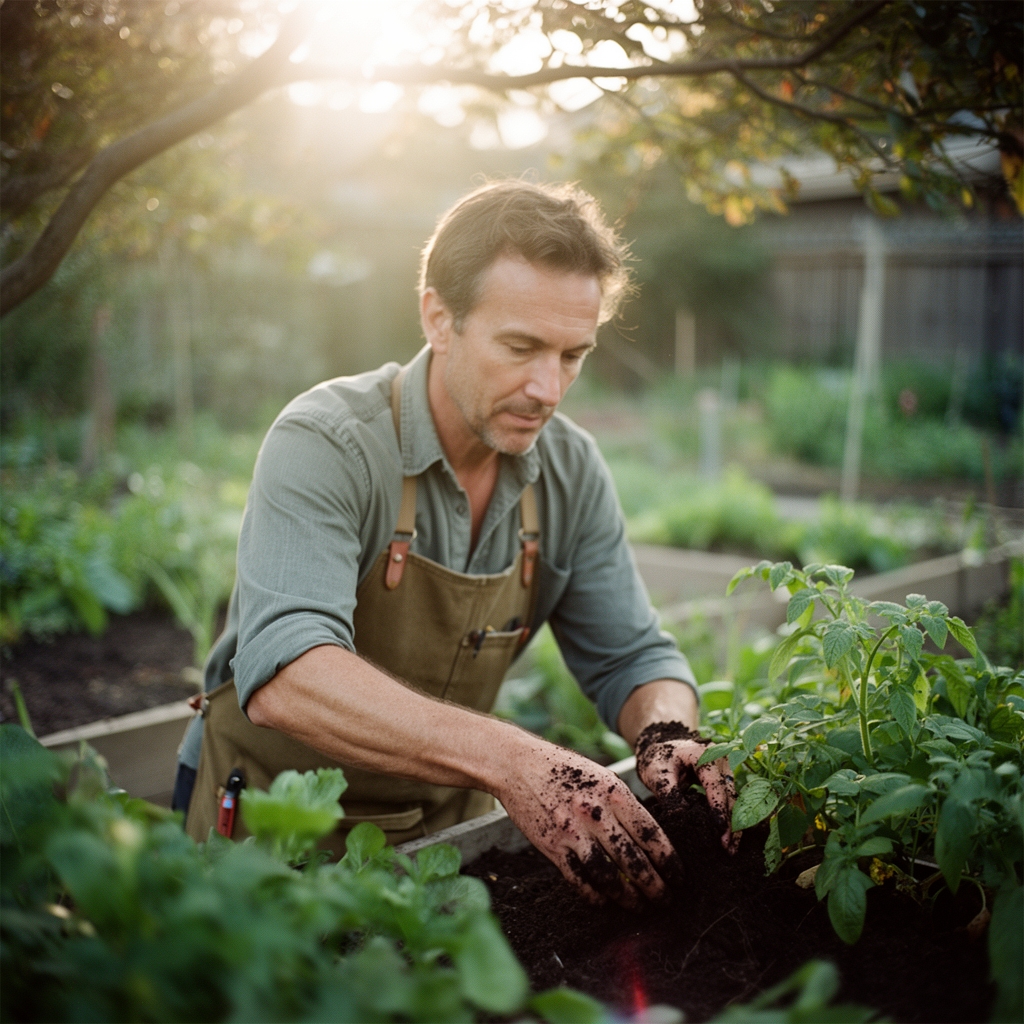
Sowing (Weeks 1–3)
Turn soil to 10 inches. Remove root fragments larger than 1/4 inch. Incorporate amendments at ratios listed above. Rake to create a 1-inch-deep tilth. Direct-sow cilantro (Coriandrum sativum) 1/4 inch deep, 2 seeds per inch, in rows 6 inches apart. Water until soil moisture reaches field capacity (roughly 40% volumetric water content). Germination occurs in 7–10 days at 65°F.
Pro-Tip: Inoculate cilantro rows with Rhizobium bacteria to enhance nitrogen fixation, even though cilantro is not a legume. Studies show cross-species soil microbiome enrichment improves overall plot health.
Transplanting (Weeks 4–6)
Harden off nursery starts by reducing water and exposing them to 2 hours of direct sun daily for 5 days. Dig holes 1.5 times root-ball diameter. Place mycorrhizal fungi directly onto root hairs. Space basil (Ocimum basilicum) 12 inches apart, mint (Mentha spp.) 18 inches, rosemary (Salvia rosmarinus) 24 inches. Backfill with native soil. Water with 1 quart per plant immediately.
Pro-Tip: Prune basil terminals at a 45-degree angle above the third node set within 48 hours of transplant. This triggers lateral branching and increases leaf yield by 30% over eight weeks.
Establishing (Weeks 7–12)
Mulch with 1 inch of straw to suppress weeds and maintain soil temperature at 70–75°F. Monitor for verticillium wilt symptoms on basil (yellowing lower leaves, vascular browning). Remove affected plants and drench remaining soil with Bacillus subtilis at double concentration. Pinch mint runners weekly to prevent rhizome spread beyond designated zones. Harvest no more than 1/3 of foliage per cutting to preserve photosynthetic capacity.
Pro-Tip: Apply foliar kelp spray (1:500 dilution) at sunrise every 10 days. Kelp contains cytokinins that delay senescence and boost essential oil concentrations by 12–18%.
Troubleshooting
Symptom: Basil leaf edges turn black overnight.
Solution: Cold stress below 50°F. Apply row cover at dusk when forecast predicts sub-55°F lows.
Symptom: Mint develops orange pustules on undersides of leaves (Puccinia menthae rust).
Solution: Remove infected foliage. Spray neem oil (0.5% azadirachtin) at 7-day intervals. Increase air circulation by thinning to 24-inch spacing.
Symptom: Cilantro bolts after three weeks.
Solution: Photoperiod stress. Provide 40% shade cloth when day length exceeds 14 hours. Select slow-bolt varieties such as 'Calypso' or 'Leisure'.
Symptom: Rosemary lower stems turn woody and cease producing harvestable tips.
Solution: Insufficient pruning. Shear back 1/3 of canopy in early spring to stimulate juvenile growth zones.
Symptom: Parsley exhibits interveinal chlorosis.
Solution: Magnesium deficiency. Dissolve 1 tablespoon Epsom salt per gallon and drench root zone. Retest soil pH and adjust to 6.5.
Maintenance
Water to maintain 1 inch per week, delivered in two 0.5-inch sessions to encourage deep rooting. Use a soil moisture probe; irrigate when readings drop below 25% volumetric water content at 4-inch depth. Side-dress with 4-4-4 granular every 6 weeks at 1/4 cup per plant. Deadhead flowers on basil and mint within 24 hours of appearance to prolong vegetative phase. Prune woody herbs (rosemary, thyme) after final harvest, cutting no more than 1/3 of live tissue to prevent dieback.
FAQ
When is the best time to harvest cocktail herbs?
Harvest in early morning after dew evaporates but before 10 a.m. Essential oil concentrations peak during this window due to overnight terpene synthesis.
Can I grow mint without it taking over?
Yes. Plant mint in buried 5-gallon containers or install 12-inch-deep rhizome barriers made from HDPE plastic.
What NPK ratio is ideal for cocktail gardens?
Use balanced or low-nitrogen blends such as 4-4-4 or 5-5-5. High nitrogen reduces essential oil production and flavor intensity.
How do I overwinter rosemary in Zone 6?
Mulch root zone with 4 inches of shredded leaves. Wrap canopy in burlap. Alternatively, pot up and move to unheated garage where temperatures stay above 25°F.
Why does my basil taste bitter?
Overmaturity or water stress. Harvest leaves before flower buds form and maintain consistent soil moisture between 30–40% volumetric content.