7 Trellis Prep Steps to Prepare a Vineyard Garden
Growing grapes or training vining crops such as cucumbers, pole beans, and indeterminate tomatoes demands disciplined soil preparation and structural support. Understanding how to prepare a garden for a vineyard vegetable garden begins with soil amendment six weeks before planting, continues through trellis installation, and extends into root-zone management that encourages deep anchorage. The difference between a struggling vine and a productive one lies in cation exchange capacity, drainage architecture, and the deliberate placement of support posts.
Materials
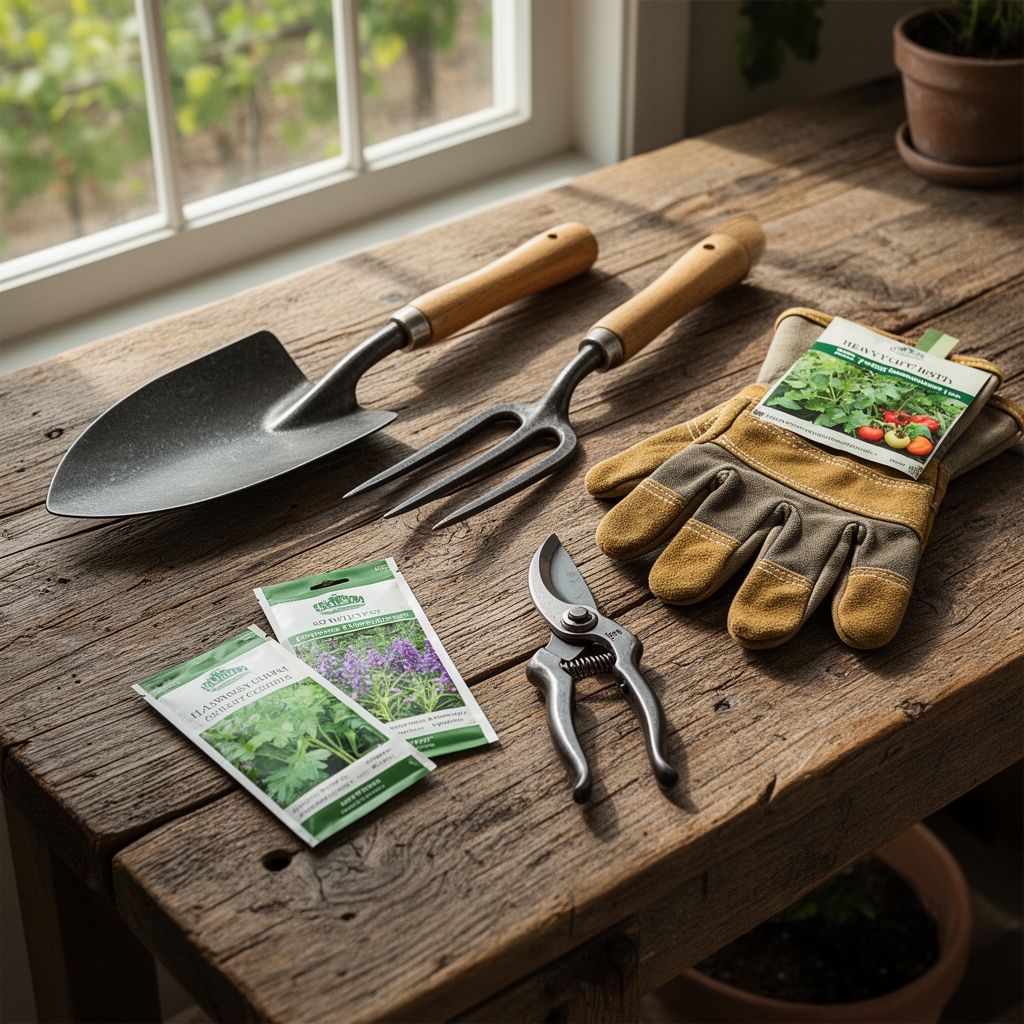
Select materials by their chemical and physical contributions. Aged compost (pH 6.5–7.0, approximate NPK 1-1-1) improves soil structure and microbial diversity. Incorporate 3 cubic yards per 100 square feet. Alfalfa meal (NPK 3-1-2) supplies slow-release nitrogen and triacontanol, a natural growth stimulant. Bone meal (NPK 4-12-0) corrects phosphorus deficiency in soils below 25 ppm Bray-1 extractable phosphorus. Greensand (0-0-3) delivers potassium and trace minerals over multiple seasons.
Structural components include pressure-treated 4×4-inch posts (8 feet long, set 2 feet deep), 12.5-gauge galvanized wire, turnbuckles rated for 500 pounds of tension, and rot-resistant cedar or locust crossarms. Purchase mycorrhizal inoculant containing Glomus intraradices and Rhizophagus irregularis at a concentration of 150 propagules per gram. Use dolomitic lime (calcium carbonate 51 percent, magnesium carbonate 40 percent) if soil pH falls below 6.0. Sulfur dust (90 percent elemental sulfur) lowers pH when readings exceed 7.5.
Timing
In USDA Hardiness Zones 5–7, prepare beds between March 15 and April 15, eight weeks before the last frost date. Zones 8–10 permit fall preparation from October 1 through November 15, allowing organic matter to decompose over winter. Soil temperature must reach 50°F at 4-inch depth before microbial activity peaks. Install trellises four weeks before transplanting to avoid root disturbance. Bare-root grapevines require planting when dormant, typically late February through March in Zone 7. Vegetable vines such as cucumbers and beans go into the ground when soil exceeds 60°F, usually two weeks after the final frost.
Phases
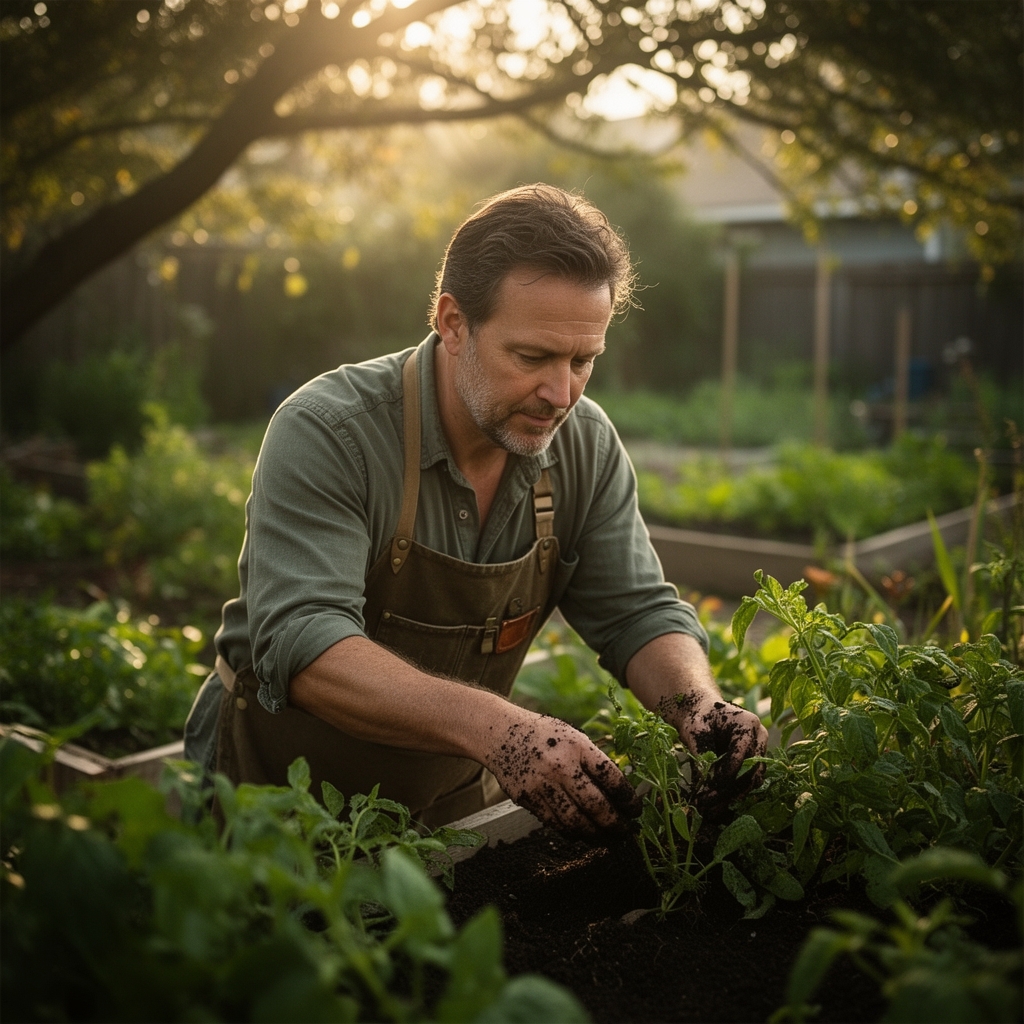
Sowing and Site Preparation
Test soil pH and nutrient levels using a laboratory analysis that reports cation exchange capacity. Target CEC values above 10 meq/100g for adequate nutrient retention. Remove perennial weeds such as bindweed and quackgrass by hand-digging rhizomes. Rototill to 12-inch depth, then broadcast compost and mineral amendments evenly. Work materials into the top 8 inches with a spading fork to preserve soil structure. Mark trellis post locations with stakes at 8-foot intervals along rows spaced 6 feet apart.
Pro-Tip: Apply mycorrhizal inoculant directly into each post hole and transplant pocket rather than broadcasting. Root contact within 72 hours colonizes feeder roots and increases phosphorus uptake by 40 percent.
Transplanting and Trellis Erection
Dig post holes 24 inches deep using a manual auger. Set posts vertically using a 4-foot level, then backfill with native soil tamped in 4-inch lifts. Attach horizontal wires at 30, 54, and 72 inches above grade. String 12.5-gauge wire through screw-eye anchors, tensioning each strand to 200 pounds using turnbuckles. Confirm tension with a wire gauge to prevent sagging under fruit load.
Transplant seedlings or bare-root stock on overcast days to minimize transpiration stress. Dig planting holes twice the root ball diameter and equal in depth. Position the graft union (for grapes) 2 inches above soil grade. Backfill with native soil mixed 1:1 with compost. Water with 2 gallons per plant immediately after planting to eliminate air pockets.
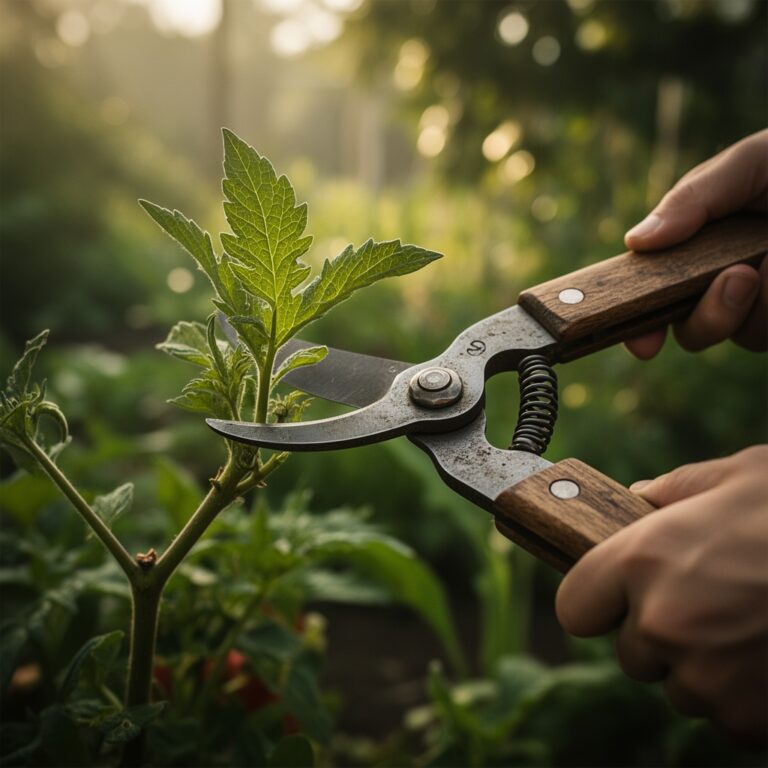
Pro-Tip: Prune grapevine canes to two buds at a 45-degree angle sloping away from the bud to shed moisture and prevent rot.
Establishment and Training
Select one to two primary shoots per vine. Pinch competing shoots when they reach 3 inches to direct auxin distribution into the main leader. Tie shoots loosely to the lowest wire using cloth strips or soft twine, allowing 1/4 inch of movement to prevent girdling. As vines reach subsequent wires, train laterals horizontally along each strand. For determinate vegetable vines, use the Florida weave method by running twine in a figure-eight pattern around alternating plants.
Apply 1/2 cup of 5-5-5 organic fertilizer per plant six weeks after transplanting. Spread mulch (shredded hardwood bark or straw) in a 4-inch layer, keeping material 6 inches away from vine stems to deter rodent damage and fungal collar rot.
Pro-Tip: Install drip irrigation with 1-gallon-per-hour emitters spaced 18 inches apart. Position emitters 12 inches from vine stems to encourage outward root expansion.
Troubleshooting
Iron chlorosis (interveinal yellowing on new growth): Soil pH above 7.5 locks out iron. Apply chelated iron (FeEDDHA) at 1 ounce per vine as a soil drench. Topdress with sulfur to gradually reduce pH.
Powdery mildew (white fungal coating on leaves): Excess humidity and poor air circulation promote infection. Prune lower foliage to improve airflow. Spray a 0.5 percent potassium bicarbonate solution weekly at first symptom appearance.
Blossom-end rot (dark, sunken lesions on fruit): Calcium deficiency or inconsistent watering disrupts calcium transport. Maintain soil moisture at 60–70 percent field capacity. Foliar-spray calcium chloride (2 tablespoons per gallon) during fruit set.
Japanese beetles (skeletonized foliage): Hand-pick adults into soapy water at dawn. Apply Bacillus thuringiensis galleriae to soil in late summer to target larvae.
Root-knot nematodes (galls on feeder roots): Rotate with non-host crops such as marigolds (Tagetes patula) or solarize soil for six weeks under clear plastic when temperatures exceed 90°F.
Maintenance
Irrigate established vines with 1 inch of water per week, delivered in two 0.5-inch applications to promote deep rooting. Reduce frequency by 30 percent during fruit ripening to concentrate sugars. Side-dress with 1/4 cup of 4-4-4 organic fertilizer per plant at bloom and again at fruit set. Avoid nitrogen application after mid-July to prevent excessive vegetative growth that delays hardening-off.
Prune dormant grapevines in late February, removing 90 percent of the previous season's growth. Retain canes with diameter between 1/4 and 1/2 inch, which produce optimal fruit. For annual vegetable vines, remove senescent lower leaves weekly to reduce disease pressure. Retension trellis wires each spring as wood posts settle.
FAQ
When should I plant grapevines versus annual vining vegetables?
Plant bare-root grapevines during dormancy (late winter). Sow or transplant annual vines such as beans and cucumbers after soil reaches 60°F.
What is the ideal soil pH for a vineyard vegetable garden?
Grapes and most vining crops thrive at pH 6.0–6.8. Test annually and adjust with lime or sulfur as needed.
How deep should trellis posts be set?
Bury posts 24 inches deep (one-quarter of total post length) to resist frost heave and wind load.
Can I use the same trellis for grapes and vegetables?
Yes. Use permanent lower wires for perennial grapes and add temporary upper strands or netting for annual crops.
How do I prevent vine diseases organically?
Space plants for airflow, prune to open canopies, apply sulfur or copper sprays preventively, and remove infected tissue promptly.