8 Bulb-Handling Steps for Repotting an Elephant Ear
The cool, damp weight of an elephant ear corm settles into your palm like a smooth river stone. Its papery tunic crackles as you rotate the bulb, searching for emerging pink shoots that signal readiness. Mastering the steps for repotting an elephant ear plant begins with understanding that these Colocasia and Alocasia specimens are not forgiving of root damage or poor drainage, and precision in bulb handling determines whether your specimen thrives or rots within three weeks.
Materials
Assemble components based on chemical composition and structural function. Select a potting medium with pH 5.5-6.5, blending 40% coconut coir (cation exchange capacity 60-130 meq/100g), 30% aged pine bark fines (lignin content promotes beneficial fungi), 20% perlite (grade 3, 3-5mm diameter), and 10% worm castings. Incorporate a 4-4-4 organic fertilizer at 2 tablespoons per gallon of medium, providing balanced macronutrients without salt accumulation.
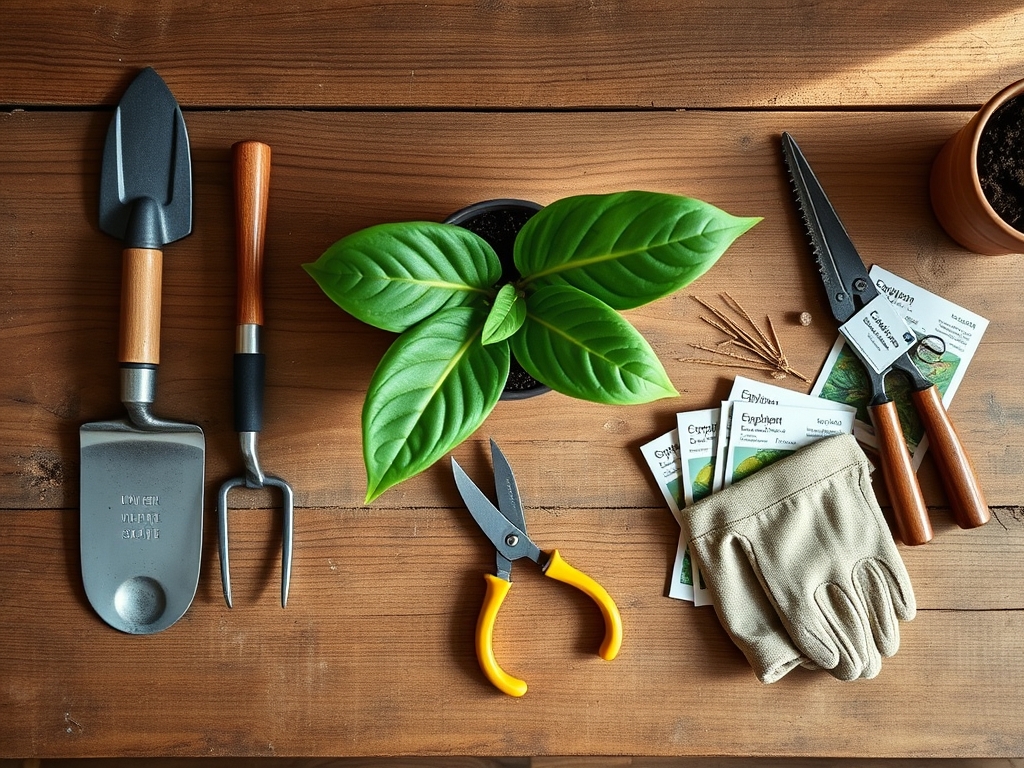
Choose containers with drainage holes measuring at least 0.5 inches in diameter. Terracotta allows gas exchange through sidewalls but requires more frequent irrigation. Glazed ceramic or resin pots retain moisture 40% longer. Container volume should exceed the corm diameter by 3-4 inches on all sides. A 3-gallon pot suits corms measuring 2-3 inches across.
Prepare a rooting hormone containing indole-3-butyric acid at 1000-3000 ppm concentration. Have isopropyl alcohol (70% concentration) and a clean razor blade for trimming damaged tissue. Mycorrhizal inoculant (Glomus intraradices preferred) colonizes roots within 14 days, increasing phosphorus uptake by 60%.
Timing
In USDA Hardiness Zones 8-11, repot elephant ears between March 15 and May 1, when soil temperatures stabilize above 65°F. Root initiation requires sustained warmth. Corms exposed to substrate temperatures below 60°F enter dormancy and become susceptible to Pythium rot within 72 hours.
For Zones 3-7, begin the process indoors 6-8 weeks before the last expected frost date. This allows auxin distribution to establish primary roots before transplanting outdoors when nighttime temperatures remain above 55°F for seven consecutive days. Monitor soil temperature with a probe thermometer at 4-inch depth rather than relying on air temperature.
Fall repotting occurs 4-6 weeks before first frost. This narrow window allows root establishment without triggering new leaf production that cannot harden off before cold exposure.
Phases

Sowing Phase
Inspect the corm under bright light. Identify the growth plate, a slightly concave or flat surface where shoot buds emerge. The basal plate on the opposite end displays root initiation points as small bumps or dried root remnants. Position the corm so the growth plate faces upward.
Remove loose, papery tunics without peeling attached layers. Excise any soft, brown tissue with the sterilized blade, cutting 0.25 inches into firm, cream-colored flesh. Dust cut surfaces with sulfur powder to prevent fungal colonization.
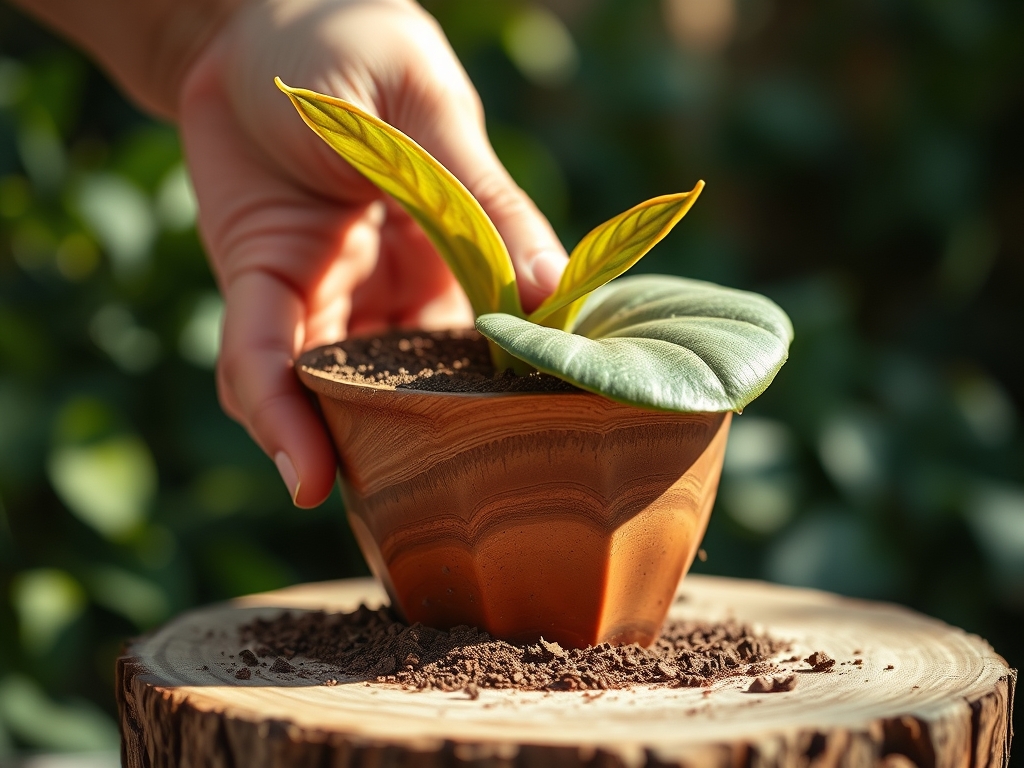
Press the corm into pre-moistened medium so the top surface sits 1-2 inches below the soil line. Shallow planting (0.5 inches deep) causes the corm to dry and stall. Depths exceeding 3 inches delay emergence by 10-14 days and increase anaerobic conditions near the basal plate.
Pro-Tip: Apply mycorrhizal inoculant directly to the basal plate before planting. Place 0.5 teaspoon of granules in the planting hole and press the corm's root zone into contact. Hyphal networks establish 3x faster than broadcast application.
Transplanting Phase
Water the newly potted corm with 8-12 ounces of liquid, achieving even moisture without saturation. Substrate should feel like a wrung-out sponge. Excess water displaces oxygen, inhibiting root elongation.
Position the container where temperatures remain between 70-80°F. Bottom heat from a seedling mat accelerates rooting by 40%. Shoots emerge in 7-21 days depending on corm size and ambient warmth.
Maintain relative humidity at 60-70% during establishment. Low humidity causes desiccation of emerging shoots, which lack cuticle development in their first 72 hours.
Pro-Tip: Once shoots reach 2 inches, rotate the container 90 degrees every three days. This prevents phototropic leaning and promotes symmetrical petiole development through even auxin distribution.
Establishing Phase
First true leaves unfurl 14-28 days after shoot emergence. Begin fertilization when the second leaf expands, applying a 10-5-5 liquid fertilizer at half strength (diluted to 0.5 tablespoons per gallon). Full-strength applications cause tip burn on immature foliage.
Increase watering frequency as leaf surface area expands. A mature elephant ear transpires 1-2 quarts daily in active growth. Check substrate moisture at 2-inch depth every 48 hours.
Acclimate outdoor-bound plants over 10 days, increasing sun exposure by 1 hour daily. Immediate full-sun placement causes chlorophyll degradation visible as bleached patches within 6 hours.
Pro-Tip: Prune the first mature leaf when the fourth leaf emerges. This redirects carbohydrates to root mass development rather than supporting aging foliage, establishing a root system 30% more robust.
Troubleshooting
Symptom: Yellow leaf margins progressing inward, older leaves affected first.
Solution: Nitrogen deficiency. Apply blood meal (12-0-0) at 1 tablespoon per 3-gallon pot, scratched into the top inch of substrate. Symptoms reverse in 7-10 days.
Symptom: Wilting despite moist soil, accompanied by foul odor from substrate.
Solution: Pythium root rot from poor drainage or overwatering. Unpot immediately. Trim blackened roots with sterilized shears. Repot in fresh, drier medium with added perlite (increase to 30% of mix). Drench with a phosphorous acid fungicide.
Symptom: Brown, crispy leaf edges with interveinal chlorosis.
Solution: Fluoride or salt toxicity from tap water or excess fertilizer. Flush substrate with distilled water at 3x container volume. Switch to rainwater or reverse-osmosis water for irrigation.
Symptom: Stunted growth with leaves measuring 50% of expected size.
Solution: Rootbound condition or inadequate pot volume. Elephant ear roots grow 2-3 inches per week in active growth. Transplant to a container 4-6 inches larger in diameter.
Symptom: Spider mites indicated by stippling on undersides of leaves.
Solution: Increase humidity above 65%. Spray leaf undersides with insecticidal soap (2% potassium salts of fatty acids) every 4 days for three applications. Predatory mites (Phytoseiulus persimilis) provide biological control.
Maintenance
Provide 1-1.5 inches of water per week through rainfall and irrigation combined. Insert a moisture meter to 3-inch depth; irrigate when readings drop to level 4 (on a 1-10 scale). Elephant ears cannot tolerate drought once leaves exceed 12 inches.
Feed every 14 days during active growth with a balanced 20-20-20 water-soluble fertilizer at 1 tablespoon per gallon. Reduce feeding frequency to monthly when growth slows in late summer.
Maintain daytime temperatures of 75-85°F and nighttime lows above 60°F. Growth ceases below 50°F. Leaf production peaks when day/night differential remains within 15 degrees.
Wipe leaves weekly with a damp cloth to remove dust that blocks stomata and reduces gas exchange efficiency by 25%. Large leaves accumulate particulate matter that harbors spider mites.
FAQ
How deep should I plant an elephant ear corm?
Position the top of the corm 1-2 inches below the soil surface. This depth protects emerging shoots while allowing adequate oxygen to reach the basal plate.
Can I divide an elephant ear corm during repotting?
Yes, if the corm displays multiple growth points separated by at least 1 inch. Cut between growing points with a sterile blade, ensuring each division retains both a growth plate and basal plate. Dust cuts with sulfur.
What causes an elephant ear corm to rot after repotting?
Excessive moisture combined with substrate temperatures below 65°F. Ensure pots drain freely and maintain warmth. Bottom heat prevents cold, waterlogged conditions.
When will I see new growth after repotting?
Shoots emerge in 7-21 days at 70-80°F. Cooler temperatures extend this period. Corms store enough energy for initial growth, so patience is critical.
Should I fertilize immediately after repotting an elephant ear?
No. Wait until the second true leaf expands, typically 3-4 weeks post-planting. Premature fertilization causes salt accumulation that damages emerging root hairs.