8 Furrowing Tips: Using a Garden Hoe for New Vegetable Rows
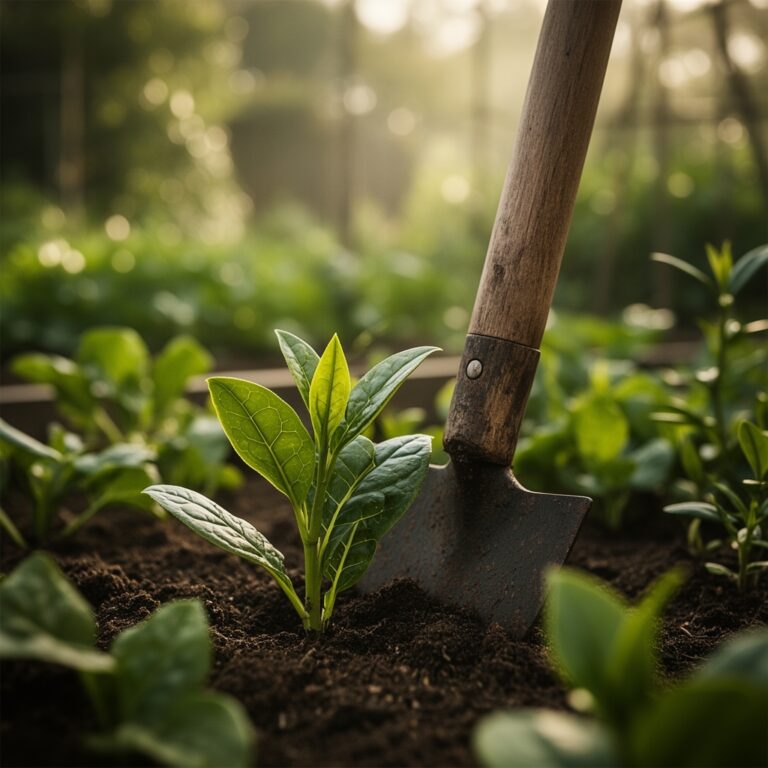
The blade bites into cool spring soil with a quiet scrape, parting loam and clay into a clean channel that will cradle seeds for the next four months. Using a garden hoe for vegetable rows transforms bare ground into organized production space, and the quality of that first furrow determines germination rates, drainage efficiency, and root architecture throughout the season.
A well-drawn furrow creates a microclimate. The slight depression concentrates moisture, while raised shoulders improve air circulation around emerging seedlings. The angle of the hoe blade, the depth of penetration, and the spacing between passes all influence seedling vigor and weed competition. Eight specific techniques separate functional rows from optimized growing channels.
Materials and Soil Preparation
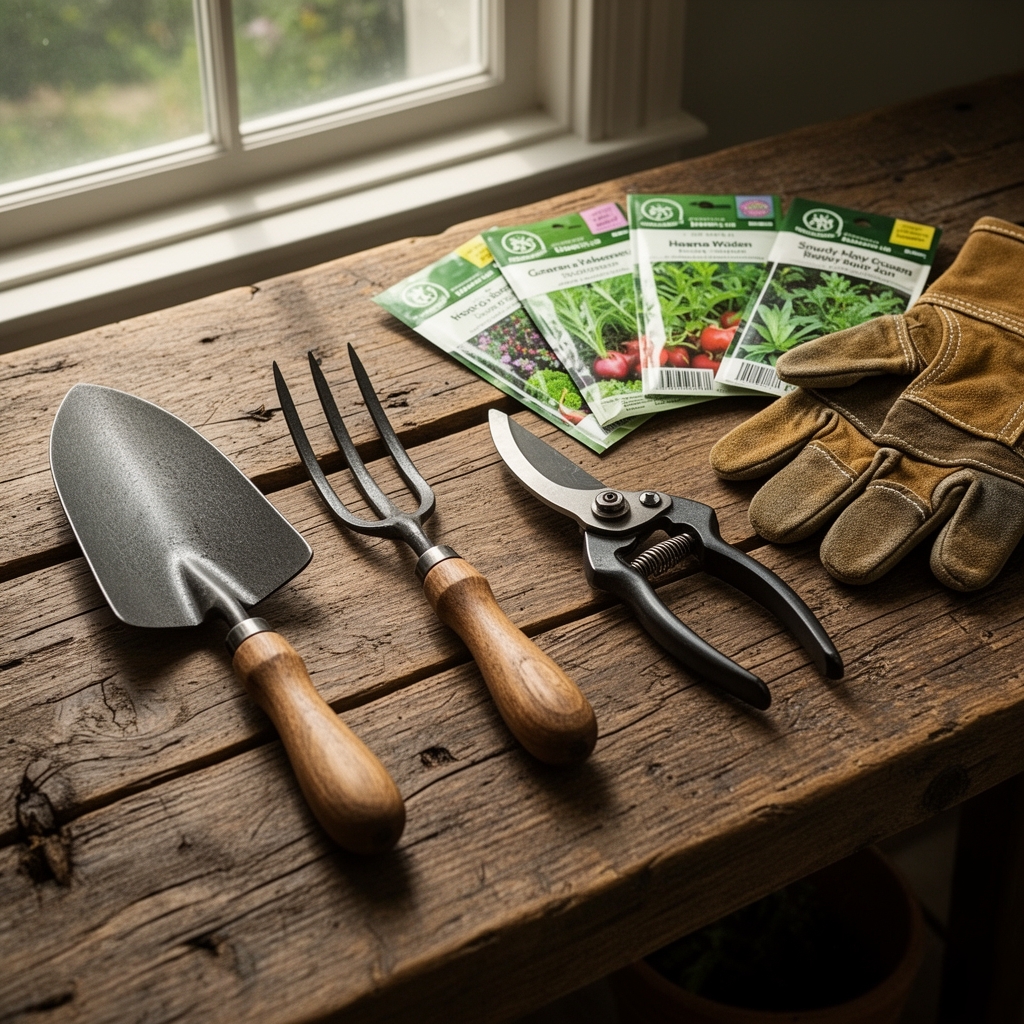
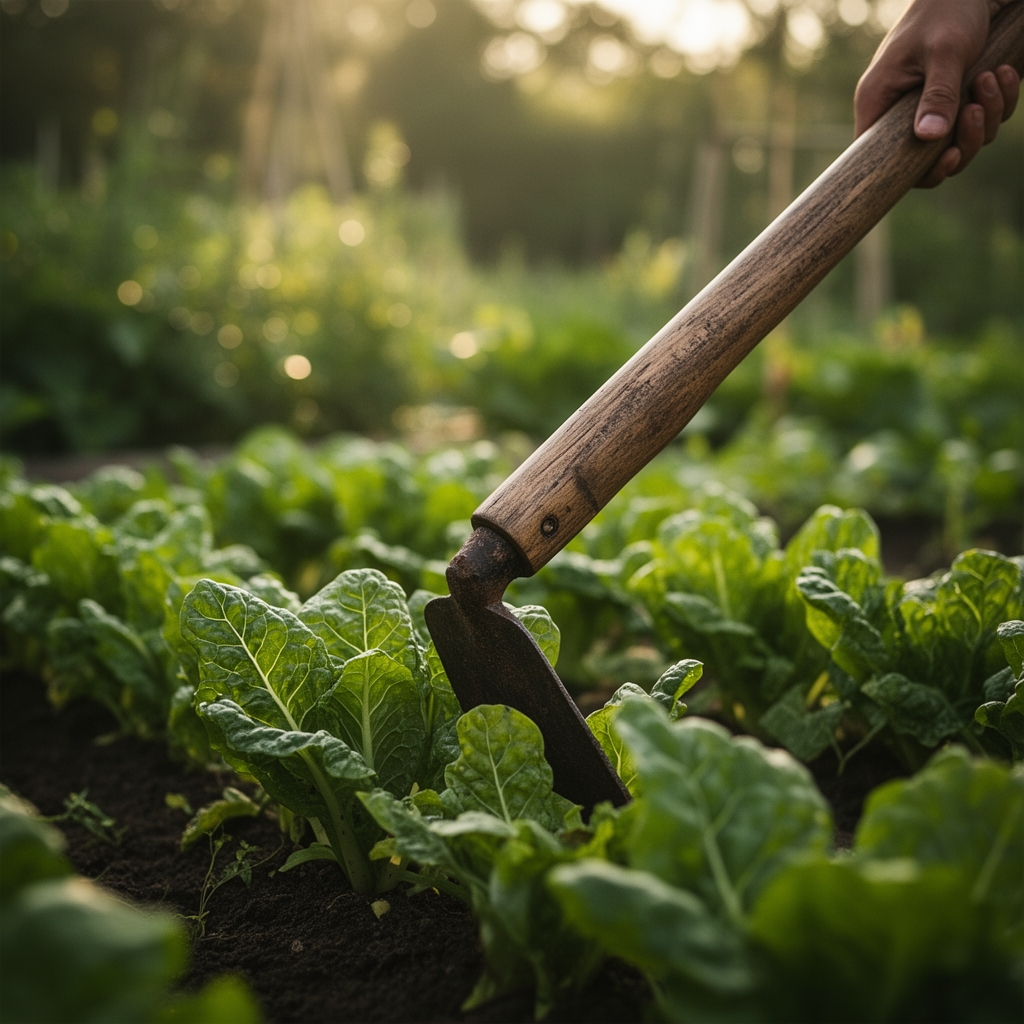
Select a stirrup hoe (scuffle hoe) for shallow cultivation in loose soil or a draw hoe for deeper channels in compacted ground. The stirrup design excels in beds amended to pH 6.2-6.8 with balanced organic matter. The draw hoe's heavier blade penetrates clay soils below pH 6.0 and cuts through rhizomes more effectively.
Before furrowing, incorporate amendments based on soil tests. For nitrogen-hungry brassicas and corn, apply blood meal at 12-0-0 or feather meal at 12-0-0, two weeks before planting to allow decomposition. For root crops preferring lower nitrogen, use bone meal at 3-15-0 or rock phosphate at 0-3-0 to encourage lateral root development without excessive top growth. Greensand at 0-0-3 provides slow-release potassium in sandy soils with low cation exchange capacity.
Mycorrhizal fungi inoculants introduced during furrowing colonize root zones within 14 days, extending phosphorus uptake radius by 200-300%. Mix inoculant powder directly into the furrow base at 1 tablespoon per 10 linear feet.
Timing by Hardiness Zone
In Zones 3-5, furrow between May 10 and May 25, when soil temperature reaches 50°F at 4-inch depth. Earlier furrowing in cold soil leads to seed rot and damping-off from Pythium species. In Zones 6-7, begin furrowing April 1-15 for cold-tolerant crops and May 1-10 for warm-season vegetables. Zones 8-10 permit year-round furrowing but require afternoon shade cloth from June through August to prevent soil crusting.
Use a soil thermometer at 6:00 AM for three consecutive days. Consistent readings above crop-specific minimums indicate safe planting windows. Peas and spinach tolerate 40°F, while beans and squash require 60°F minimums.
Furrowing Phases
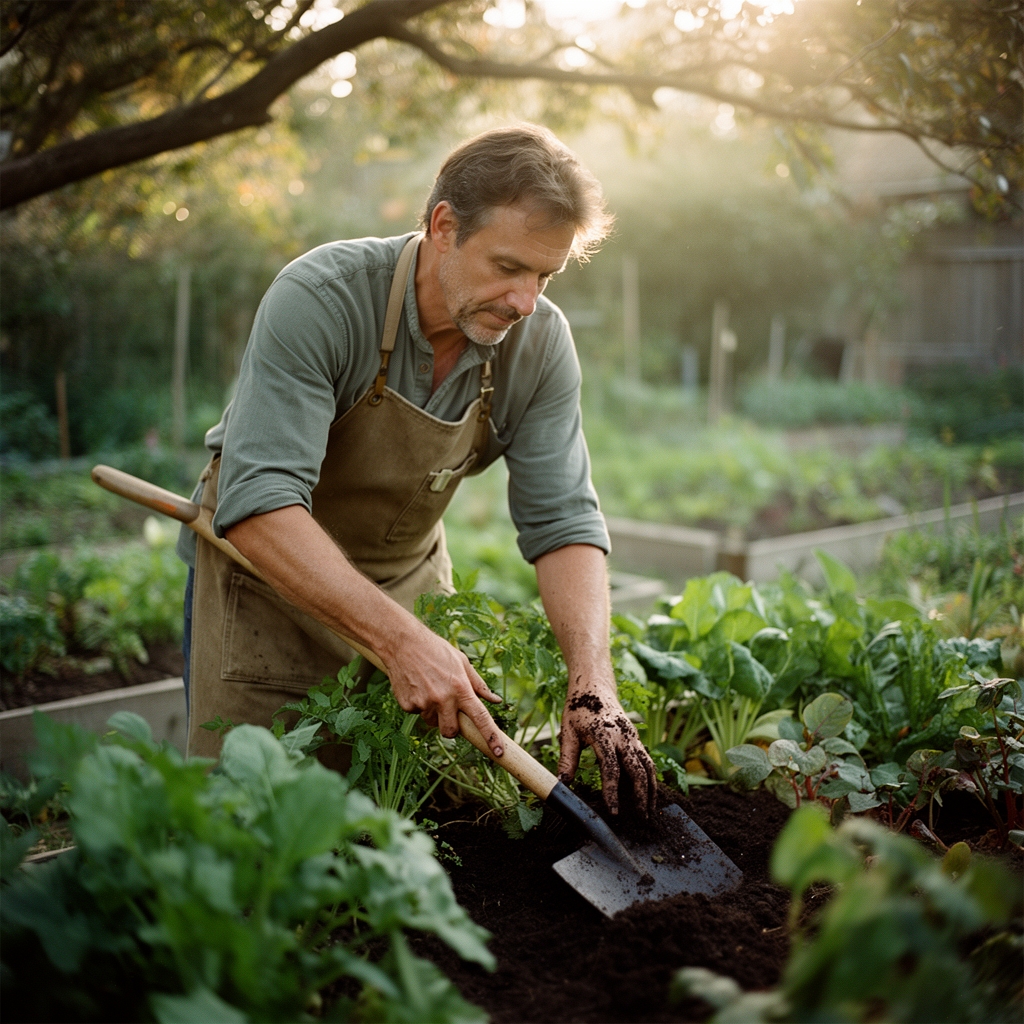
Initial Marking and Depth Control
String two stakes 36 inches apart for standard vegetable rows. Wider spacing (48 inches) benefits sprawling crops like pumpkins, while narrow spacing (18 inches) suits intensive greens production. Draw the hoe blade along the string at consistent depth: 0.5 inch for lettuce and carrots, 1 inch for beans, 2 inches for corn.
Pro-Tip: Angle the hoe blade 15 degrees forward rather than vertical. This creates a furrow with one sloped wall and one vertical wall. Plant seeds against the vertical wall where auxin distribution promotes stronger root anchoring.
Firming and Moisture Sealing
After furrowing, press the flat back of the hoe blade along the furrow bottom at 2-3 pounds of pressure. This firms the seed bed, eliminating air pockets that suspend seeds above capillary moisture. Loose contact reduces germination by 30-40% in the critical first 72 hours.
Pro-Tip: In sandy soils prone to moisture loss, line the furrow with a 0.25-inch layer of coconut coir before seeding. The coir retains water at 8-9 times its weight and prevents crusting in high-evaporation conditions.
Post-Seeding Coverage
Cover seeds by pulling displaced soil back into the furrow with the hoe blade reversed, using light dragging motions. Compress gently with the blade flat. Excessive compression (over 5 pounds per square inch) impedes hypocotyl emergence in large-seeded legumes.
Pro-Tip: For crops requiring light for germination (lettuce, celery), cover with 0.125 inch of vermiculite instead of soil. Vermiculite transmits 40% more light while maintaining moisture contact.
Troubleshooting Common Furrow Issues
Symptom: Seeds wash to one end of furrow after irrigation.
Solution: Furrow on contour lines perpendicular to slope. On grades exceeding 3%, create shallow check dams every 24 inches using compressed soil.
Symptom: Seedlings emerge in irregular clusters rather than continuous lines.
Solution: Depth inconsistency from hoe wobble. Use a depth guide (wood block attached to hoe handle) to maintain uniform penetration.
Symptom: Furrow walls collapse within 48 hours.
Solution: Soil moisture below 20% causes slumping. Irrigate 12 hours before furrowing to bring moisture to 30-40% field capacity.
Symptom: Damping-off kills seedlings at soil line.
Solution: Furrow harbors Rhizoctonia in stagnant moisture. Improve drainage by spacing rows 4 inches wider and incorporating perlite at 10% by volume.
Symptom: Weed seedlings outnumber crop seedlings by day 10.
Solution: Hoe blade distributed buried weed seeds into optimal germination depth. Use flame weeding 48 hours before furrowing to destroy the top 0.5 inch of weed seed bank.
Maintenance Specifications
Irrigate new furrows with 0.5 inch of water immediately after seeding to settle soil. Reduce to 0.25 inch daily until emergence, then shift to 1 inch twice weekly for established plants. Monitor soil moisture at root depth with a probe; consistency matters more than total volume.
Side-dress established rows with compost tea at 1:10 dilution every 14 days, applying 1 gallon per 10 linear feet. Reapply granular fertilizer at half initial rate when plants reach 50% expected mature height.
Frequently Asked Questions
What hoe blade width works best for standard vegetable rows?
A 6-7 inch blade width creates furrows suitable for single-file seeding of most vegetables. Wider 10-inch blades serve double rows of peas or beans spaced 4 inches apart within the furrow.
Can I reuse furrows for successive plantings?
Yes, if you remove all root material and re-firm the base. Add 0.5 inch of fresh compost to replenish organic matter depleted by the previous crop.
How do I prevent furrows from drying out before germination?
Cover furrows with burlap or row cover immediately after seeding. Remove covers at first emergence to prevent etiolation.
Should furrow depth change in clay versus sandy soil?
Yes. Reduce depth by 25% in clay to prevent waterlogging. Increase depth by 25% in sand to access stable moisture.
What spacing prevents root competition between rows?
Maintain row spacing equal to mature plant width plus 6 inches. This prevents canopy overlap while allowing cultivation access between rows.