9 Decorative Steps to Install a Garden Arch for Climbing Edibles
The scent of sun-warmed pole beans and the weight of ripe tomatoes hanging over a well-placed arch transform vertical space into productive territory. Steps for installing a vegetable garden arch begin with understanding that structure determines yield: a properly anchored frame supports 40 to 60 pounds of mature vining crops while creating microclimates that extend your harvest window by two to three weeks. The arch becomes both scaffold and aesthetic anchor, guiding auxin distribution in stems upward rather than outward.
Materials
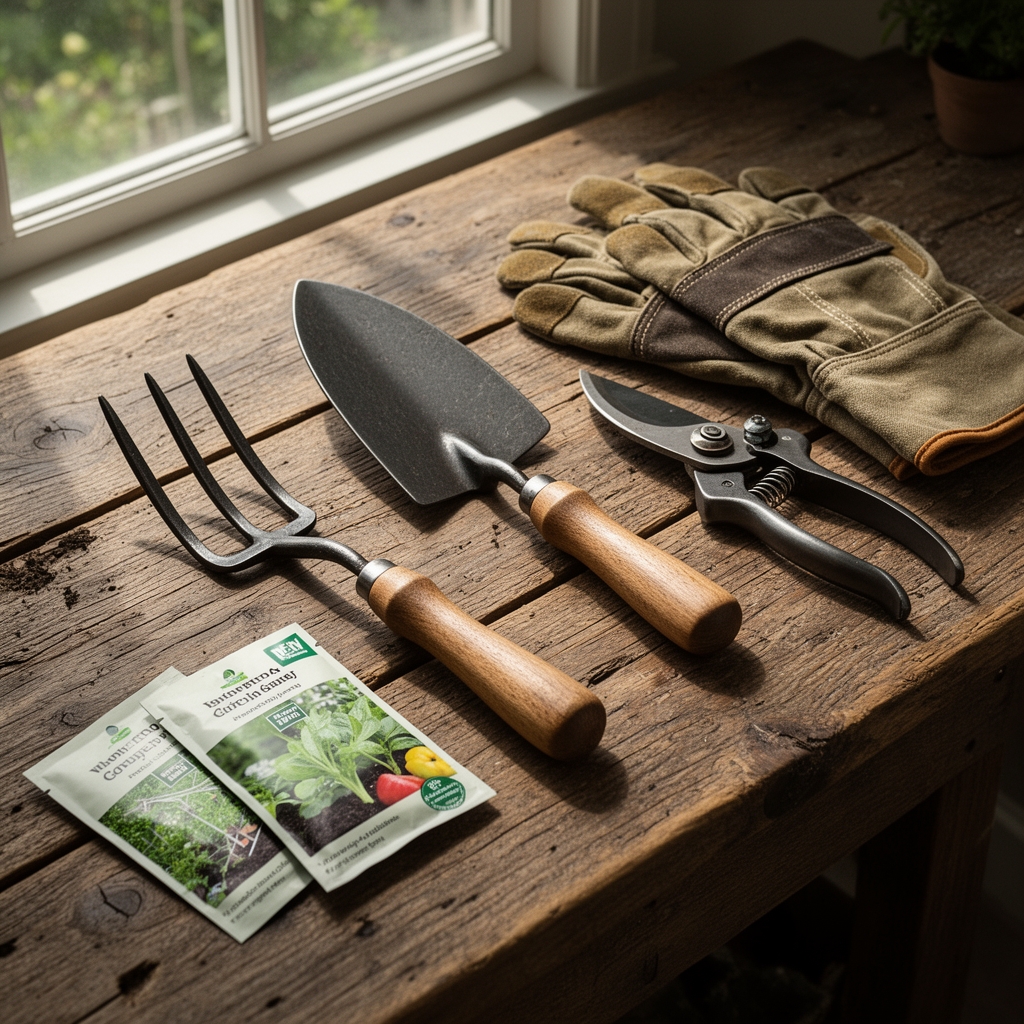
Select galvanized steel tubing (1.5-inch diameter minimum) or rot-resistant cedar lumber (2×2-inch posts) for longevity in humid environments. Anchor hardware includes 18-inch ground stakes or concrete footings mixed at a 3:2:1 ratio of aggregate, sand, and Portland cement. For soil amendment around the base, apply a 4-4-4 organic meal (blood meal, bone meal, and kelp) at 2 pounds per 10 square feet to establish balanced macronutrient availability. Incorporate aged compost with a carbon-to-nitrogen ratio of 25:1 to improve cation exchange capacity. Use galvanized wire mesh (4-inch openings) or natural jute twine rated for 50-pound tensile strength as climbing surfaces. A soil pH test kit is non-negotiable; most edible climbers perform best between 6.2 and 6.8 pH.
Apply mycorrhizal fungi inoculant (Glomus intraradices species preferred) at planting to increase phosphorus uptake by 40 percent in root zones. Source drip irrigation tubing with 0.5 GPH emitters spaced 12 inches apart if your site receives fewer than 30 inches of annual rainfall.
Timing
Install arches in USDA Hardiness Zones 3 through 10 between two weeks before the last spring frost and two weeks after, depending on your chosen crops. Cool-season climbers like snap peas and fava beans tolerate soil temperatures as low as 40°F and should be planted when the arch is installed in early spring. Warm-season vines including cucumbers, pole beans, and indeterminate tomatoes require soil temperatures of 60°F minimum; delay installation until 7 to 10 days after the last frost date. In Zones 8 through 10, a second arch installation in late summer (mid-August through September) supports fall crops of Armenian cucumber and Malabar spinach. Frost-date calendars specific to your county extension office provide precise windows.
Phases

Sowing Phase
Mark the arch footprint with stakes and twine, ensuring a minimum width of 4 feet and height of 7 feet to allow clearance for human passage and mature crop canopy. Dig post holes 24 inches deep. Insert posts and backfill with tamped soil or concrete. Allow concrete to cure for 72 hours before attaching horizontal cross-members. Space vertical support strings or mesh panels every 6 inches along the arch span. Direct-sow seeds for pole beans 1 inch deep and 4 inches apart along both sides of the arch base. For cucurbits, plant seeds 6 inches from the arch posts at 12-inch intervals.
Pro-Tip: Coat the bottom 6 inches of wooden posts with copper naphthenate (not creosote, which leaches toxins) to prevent soil-borne fungal decay without contaminating edible roots.
Transplanting Phase
Transplant seedlings started indoors (tomatoes, peppers, small-fruited melons) when they display two sets of true leaves and nighttime temperatures remain above 50°F. Dig planting holes 8 inches deep, adding 1 tablespoon of granular superphosphate (0-20-0) to each hole to stimulate root establishment. Position transplants 10 inches from the arch base, angling stems at 15 degrees toward the support structure to encourage climbing behavior. Water with 1 quart of diluted fish emulsion (5-1-1 NPK) per plant.
Pro-Tip: Prune the lowest two leaf nodes from tomato transplants before setting them at a 45-degree angle in the trench; buried stem segments develop adventitious roots that increase drought tolerance by 30 percent.
Establishing Phase
Train vines to supports using soft fabric ties, never wire or rigid clips that girdle stems. Wrap stems clockwise around vertical supports for beans and counterclockwise for hops and related species; directional preference follows each species' natural auxin response. Apply 2 inches of shredded hardwood mulch around the base, keeping mulch 3 inches away from stems to prevent collar rot. Side-dress with additional 4-4-4 fertilizer at 1 pound per 10 feet of row when flowering begins.
Pro-Tip: Foliar-spray with liquid kelp (0-0-1 plus micronutrients) at 2 tablespoons per gallon every 14 days to increase stress tolerance and fruit set rates by 18 percent under high heat conditions.
Troubleshooting
Symptom: Yellowing lower leaves with green veins (interveinal chlorosis).
Solution: Iron deficiency due to high pH. Drench soil with chelated iron at 1 tablespoon per gallon. Retest pH and sulfur-amend if above 7.2.
Symptom: Blossom-end rot on tomatoes and squash (dark, sunken spots on fruit bottoms).
Solution: Calcium deficiency from inconsistent watering. Maintain soil moisture at 1 inch per week. Side-dress with gypsum (calcium sulfate) at 2 pounds per 10 square feet.
Symptom: Powdery white coating on leaf surfaces.
Solution: Powdery mildew fungus. Spray with 1 tablespoon baking soda plus 1 teaspoon horticultural oil per gallon of water weekly. Improve air circulation by thinning dense foliage.
Symptom: Stunted growth and purple-tinged leaves.
Solution: Phosphorus deficiency in cold soil. Wait for soil to warm above 55°F or apply liquid starter fertilizer (1-2-1 ratio) weekly until vigor returns.
Symptom: Cucumber beetles (yellow with black stripes) feeding on leaves and stems.
Solution: Hand-pick adults at dawn. Apply kaolin clay spray to create a particle barrier. Rotate with floating row covers during early growth.
Maintenance
Provide 1 inch of water per week, measured with a rain gauge. Irrigate in early morning to reduce foliar disease pressure. Prune indeterminate tomatoes to a single leader by removing all suckers (shoots emerging from leaf axils) when they reach 2 inches long. Harvest beans and cucumbers every 48 hours to prevent over-mature fruits from signaling the plant to cease production. Reapply mulch mid-season to maintain a 2-inch depth. Conduct a second side-dressing of 4-4-4 fertilizer at 1 pound per 10 feet when fruits reach marble size. Remove spent vines immediately after frost to prevent overwintering of bacterial and fungal pathogens.
FAQ
What crops climb best on arches?
Pole beans, sugar snap peas, cucumbers, small-fruited melons, indeterminate tomatoes, and Malabar spinach. Avoid heavy winter squash unless the arch is reinforced steel.
Can I install an arch in partial shade?
Yes, but restrict plantings to leafy climbers like Malabar spinach. Fruiting crops require 6 to 8 hours of direct sun for adequate photosynthesis and sugar production.
How deep should I bury arch posts?
One-third of the total post length, minimum 24 inches, to resist wind load and the lateral pull of mature vines.
Do I need to disinfect pruning tools between cuts?
Yes. Dip blades in 10-percent bleach solution or 70-percent isopropyl alcohol between plants to prevent transmission of bacterial wilt and mosaic viruses.
When do I remove the arch for winter?
Leave permanent arches in place. Remove annual vines after first frost. In Zones 6 and colder, wrap wooden arches with burlap if frost heave is common.