6 Natural Steps to Treat Powdery Mildew with Baking Soda
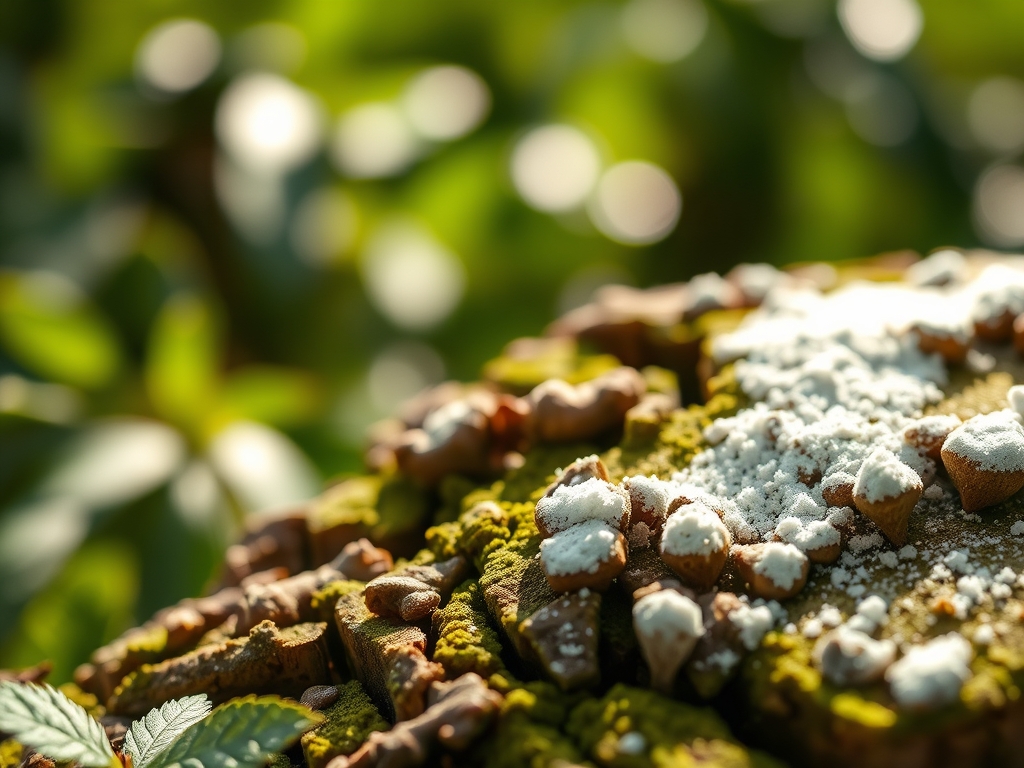
The scent of damp humus and the distinct metallic tang of wet garden soil signal a healthy rhizosphere; however, when white, talc-like patches appear on the adaxial leaf surface, the plant's turgor pressure is at risk. Powdery mildew, a fungal infection caused by various species of the order Erysiphales, disrupts photosynthesis by coating the foliage and leaching nutrients from host cells. Implementing effective steps for treating powdery mildew with baking soda requires precise timing and a firm understanding of plant physiology to prevent permanent cellular damage or premature senescence.
Materials:

Success starts with the substrate. The ideal growing medium is a friable loam with a **Cation Exchange Capacity (CEC) between 15 and 25 milliequivalents per 100 grams**. This ensures the plant can access the necessary nutrients to recover from fungal stress. Maintain a **soil pH between 6.2 and 6.8** to optimize nutrient bioavailability.
For the treatment solution and soil amendment, assemble the following:
- Sodium Bicarbonate (Baking Soda): The active alkalizing agent.
- Horticultural Oil or Liquid Castile Soap: Acts as a surfactant to break the surface tension of water.
- Potassium-heavy Fertilizer: Use an NPK ratio of 5-10-15 to strengthen cell walls during recovery.
- Distilled Water: Prevents mineral interference with the bicarbonate reaction.
- Pressure Sprayer: Must be capable of delivering a fine mist to ensure total coverage of the leaf cuticle.
Timing:
In USDA Hardiness Zones 5 through 9, powdery mildew typically peaks when humidity exceeds 60 percent and temperatures hover between 60 and 80 degrees Fahrenheit. Monitor your plants during the transition from the vegetative stage to the reproductive stage. This biological clock shift often coincides with increased canopy density, which reduces airflow and creates a microclimate conducive to fungal sporulation. Apply the baking soda solution during the "Cooling Window" (dawn or dusk) to avoid phytotoxicity caused by intense UV radiation reacting with the sodium ions on the leaf surface.
Phases:

Sowing and Site Selection
Prevention begins at the seed level. Select cultivars with high genetic resistance to Erysiphales. Ensure spacing allows for a minimum of 18 inches between mature canopies to facilitate laminar airflow.
Pro-Tip: Maximize airflow to prevent moisture stagnation. This reduces the duration of leaf wetness, preventing fungal spores from germinating through a process known as hyphal penetration.
Transplanting and Soil Prep
When moving seedlings from the nursery to the field, minimize root disturbance to maintain high turgor pressure. Incorporate organic matter to improve the soil's water-holding capacity without causing anaerobic conditions.
Pro-Tip: Mycorrhizal symbiosis is critical during this phase. Inoculating the root zone with beneficial fungi increases the surface area for nutrient uptake, allowing the plant to divert more energy toward secondary metabolites that fight infection.
Establishing the Treatment Protocol
Mix one tablespoon of baking soda and half a teaspoon of liquid soap into one gallon of water. This is the foundational step for treating powdery mildew with baking soda. The solution raises the pH on the leaf surface to approximately 8.3, creating an environment where fungal spores cannot survive.
Pro-Tip: This treatment relies on the principle of osmotic shock. The high salt concentration and alkaline pH disrupt the fungal cell membranes, leading to lysis and death of the pathogen without harming the more resilient plant cuticle.
The Clinic:
Diagnosing physiological disorders requires a systematic approach. If the plant does not respond to the baking soda treatment, check for these underlying issues:
- Symptom: Interveinal chlorosis on young leaves.
Solution: This indicates a Manganese deficiency. Apply a chelated manganese foliar spray at a rate of 1.5 grams per liter.
2. Symptom: Yellowing of older, lower leaves (Nitrogen chlorosis).
Fix-It: The plant is scavenging nitrogen for new growth. Side-dress with a high-nitrogen organic meal (NPK 12-0-0) to restore chlorophyll production.
3. Symptom: Marginal leaf necrosis and weak stems.
Solution: This suggests low Potassium levels. Potassium is essential for regulating stomatal opening; supplement with sulfate of potash to improve drought and disease resistance.
4. Symptom: Localized necrotic spots following baking soda application.
Fix-It: This is phytotoxicity. Reduce the concentration of sodium bicarbonate by 50 percent and ensure the solution is not applied when ambient temperatures exceed 85 degrees Fahrenheit.
Maintenance:
Precision in maintenance prevents the recurrence of fungal outbreaks. Deliver 1.5 inches of water per week directly at the drip line to keep the foliage dry. Use a soil moisture meter to ensure the root zone remains at 40 to 60 percent field capacity.
When pruning infected material, use bypass pruners sterilized with 70 percent isopropyl alcohol between every cut to prevent cross-contamination. A hori-hori knife is the preferred tool for removing deep-rooted weeds that may act as alternative hosts for mildew spores. Always clear fallen debris from the base of the plant; this removes the primary source of overwintering inoculum.
The Yield:
For edible crops, harvest when the plant reaches peak physiological maturity. For cucurbits, this is often indicated by the drying of the tendril nearest the fruit. Use a sharp blade to leave a two-inch stem attached to the fruit; this prevents the entry of rot-inducing pathogens.
Post-harvest, move the produce to a cooling station immediately. Reducing the internal temperature of the crop to 45 degrees Fahrenheit within two hours of harvest slows down cellular respiration. This preservation of sugars and moisture ensures "day-one" freshness and extends the shelf life of the harvest.
FAQ:
How often should I apply the baking soda spray?
Apply the solution every 7 to 10 days during periods of high humidity. Reapply immediately following any rain event exceeding 0.25 inches, as the water will wash the alkaline film off the leaf surfaces.
Can baking soda damage my garden plants?
Yes, excessive sodium accumulation can cause leaf burn. Always test a single leaf before full application. Monitor for signs of salt stress, such as wilting or marginal necrosis, and flush the soil with fresh water if buildup occurs.
Does this treatment work on all types of mildew?
Baking soda is specifically effective against powdery mildew because the fungus stays on the leaf surface. It is less effective against downy mildew, which penetrates deeper into the plant's vascular tissue and requires systemic copper-based fungicides.
What is the best surfactant for the mixture?
Horticultural oil is the superior choice because it provides an additional suffocating layer against spores. If unavailable, use a biodegradable liquid castile soap. Avoid detergents with degreasers or artificial fragrances, which can dissolve the protective waxy cuticle.