9 Pruning Steps: Using a Garden Saw for Woody Stems
The first cut into a woody perennial vegetable stem reveals lignified tissue that standard pruners cannot handle cleanly. Using a garden saw for vegetable pruning becomes essential when managing mature asparagus ferns, established artichoke crowns, or the thick basal growth of cardoon and rhubarb. The saw's teeth bite through cellulose and lignin without crushing vascular bundles, preventing infection pathways that plague torn tissue.
Materials
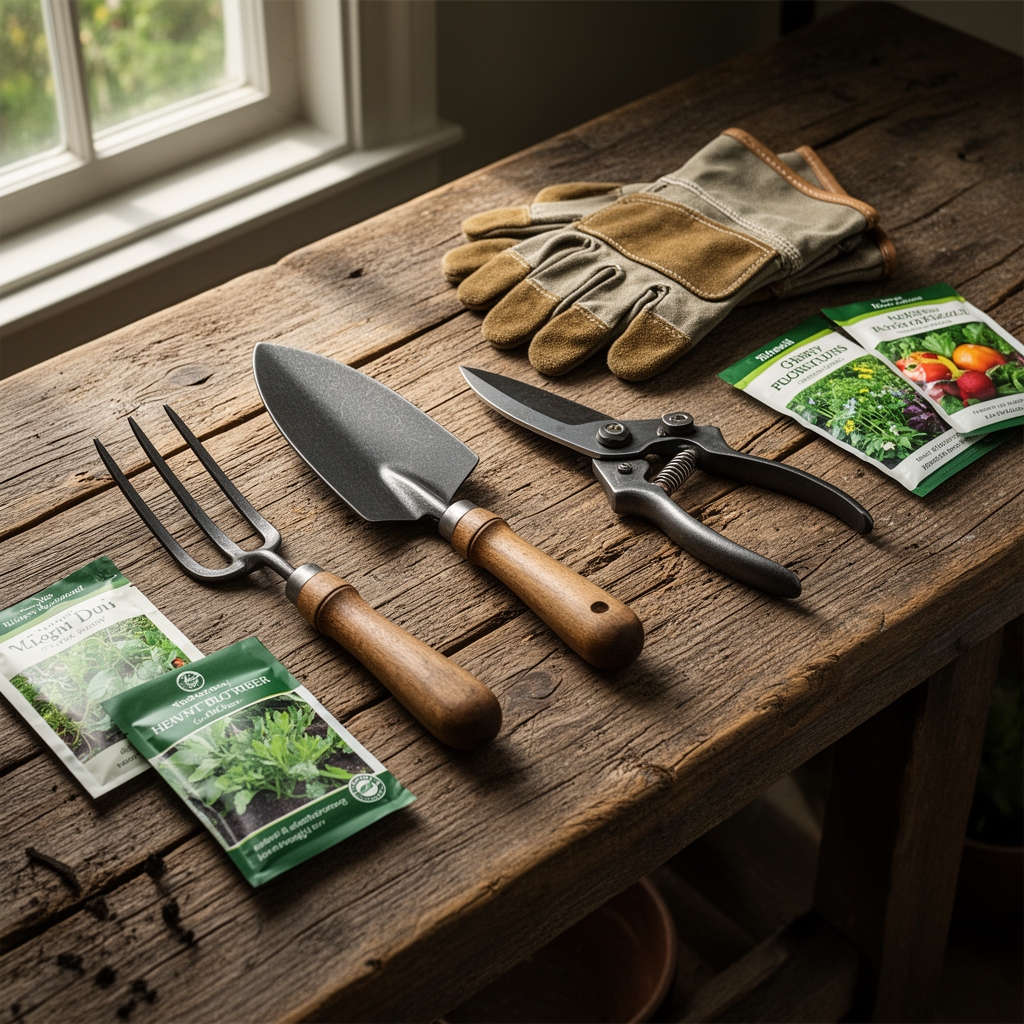
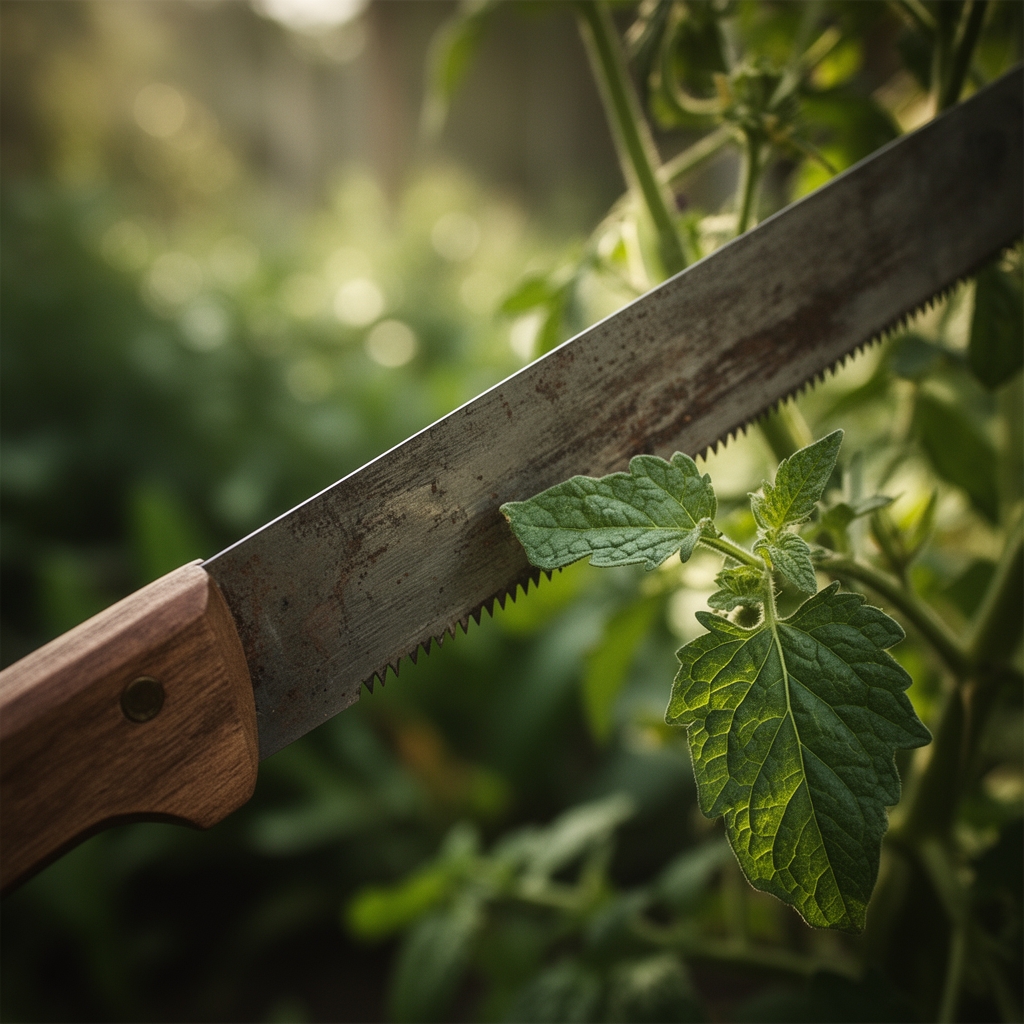
Select a curved pruning saw with 6 to 8 teeth per inch for woody vegetable stems measuring 0.75 to 3 inches in diameter. A folding model with a 7-inch blade provides maneuverability around dense crown structures. Sterilize blades between cuts using 70% isopropyl alcohol or a 10% bleach solution to prevent transmission of bacterial soft rot and fungal pathogens.
Soil amendments supporting vigorous regrowth after heavy pruning require balanced nutrition. Apply a 4-4-4 organic blend composed of feather meal, bone meal, and kelp at 2 pounds per 100 square feet two weeks before pruning. For acidic-soil crops like rhubarb, maintain pH between 5.5 and 6.5 using sulfur adjustments. Cardoon and artichoke prefer pH 6.0 to 7.0 with higher phosphorus availability. Supplement with mycorrhizal fungi inoculant at 1 tablespoon per crown to enhance phosphorus uptake through increased root surface area and improved cation exchange capacity in the rhizosphere.
Protective equipment includes leather gloves rated for thorn resistance, safety glasses to deflect wood chips, and knee pads for ground-level crown work. Position a collection tarp to capture diseased material for immediate disposal away from compost systems.
Timing
Execute woody pruning during dormancy windows specific to your USDA Hardiness Zone. In Zones 3 through 5, prune asparagus ferns after the first hard freeze when tops turn completely brown, typically late October through November. Zones 6 through 8 allow pruning from December through February during the coldest months when auxin distribution favors root storage over shoot growth.
Artichoke and cardoon pruning in Zones 7 through 10 occurs after final harvest in late autumn, approximately 4 to 6 weeks before average first frost. This timing permits wound callusing before winter rains increase bacterial infiltration risk. Rhubarb crown division and heavy stem removal proceeds in early spring, 2 weeks before last frost date, when soil temperature reaches 40°F at 4-inch depth. Avoid pruning during active growth periods when carbohydrate reserves mobilize from roots to shoots.
Phases

Sowing and Establishment
Young woody vegetables require minimal saw work during the first two seasons. Focus on removing damaged tissue from transplant shock or mechanical injury. Make cuts at 45-degree angles, sloping away from the crown center to shed moisture. Position cuts 0.25 inches above lateral buds to stimulate branching without leaving excessive stub tissue prone to dieback.
Pro-Tip: Apply lanolin-based pruning sealant only to cuts exceeding 1.5 inches in diameter on artichoke and cardoon. Smaller wounds on asparagus and rhubarb heal faster when exposed to air, which promotes lignification and suberin formation at the cut surface.
Transplanting Mature Crowns
Dividing established rhubarb or asparagus crowns demands aggressive sawing through dense root systems. Cut crowns into sections containing 3 to 5 vigorous buds each, using the saw to separate woody rhizomes cleanly. Cuts through horizontal asparagus rhizomes should be perpendicular to growth direction, maximizing surface area for adventitious root formation. Dust cut surfaces with powdered sulfur at 1 teaspoon per crown section to desiccate fungal spores.
Pro-Tip: Transplant within 30 minutes of cutting to minimize moisture loss from exposed vascular tissue. Roots lose 15% of stored carbohydrates per hour when left exposed to temperatures above 60°F.
Establishing Renewal Cycles
Mature asparagus beds require complete fern removal annually. Saw through multiple stems simultaneously at ground level, cutting when tissue moisture content drops below 40% as indicated by brittleness and brown coloration throughout the fern structure. Remove all material to eliminate overwintering sites for asparagus beetle larvae.
Artichoke side-shoot removal maintains central crown productivity. Saw off lateral shoots when they reach 6 to 8 inches in length, cutting flush with the main stem to prevent regrowth competition. Each cut redirects auxin flow to primary buds, increasing main head diameter by 20 to 30%.
Pro-Tip: Prune artichoke stems to 3 inches above ground after harvest, then apply 2 inches of compost containing 1.5% nitrogen by weight. This timing synchronizes nutrient availability with root expansion phases driven by cytokinin production.
Troubleshooting
Symptom: Black, sunken lesions developing from pruning wounds within 7 to 10 days.
Solution: Bacterial soft rot entered through contaminated tools or excessive moisture. Remove affected tissue 2 inches beyond visible damage. Sterilize tools after each cut and reduce irrigation by 30% for two weeks post-pruning.
Symptom: White fungal mycelium covering cut surfaces of rhubarb crowns.
Solution: Crown rot caused by Sclerotinia species. Excavate infected crowns completely, including all root fragments within 12 inches. Solarize soil under clear plastic for 6 weeks when soil temperature exceeds 80°F at 6-inch depth. Replace with resistant cultivars like 'Victoria' or 'Canada Red.'
Symptom: Dried, cracked bark peeling from asparagus crowns near saw cuts.
Solution: Winter desiccation from exposed wounds in Zones 3 through 5. Apply 4 inches of straw mulch after ground freezes to insulate crowns and reduce temperature fluctuations that crack lignified tissue.
Symptom: Yellowing new shoots emerging 6 to 8 inches from pruned artichoke stumps.
Solution: Nutrient deficiency from insufficient stored reserves. Side-dress with 5-10-10 fertilizer at 1 pound per 10 feet of row, watering immediately to move nutrients into root zone. Yellowing indicates nitrogen demand exceeding remobilization capacity from older tissue.
Maintenance
Water pruned crowns to 12-inch depth immediately after cutting, applying 2 gallons per plant. Maintain consistent soil moisture at 60 to 70% field capacity during the 4-week callusing period. Reduce watering frequency by half once new shoot growth reaches 3 inches to prevent crown rot in heavy clay soils with poor drainage.
Feed established asparagus beds with 10-10-10 fertilizer at 2 pounds per 100 square feet in early spring before spear emergence. Split artichoke nutrition into three applications: 5-10-10 at bud break, 10-10-10 at first flower formation, and 4-4-4 organic after final harvest. Monitor soil pH quarterly using a calibrated meter, adjusting with elemental sulfur or dolomitic lime to maintain target ranges.
Inspect pruning wounds weekly for four weeks post-cutting. Healthy callus tissue appears as raised, corky growth sealing the cut surface. Sand saw blades annually using 220-grit paper to maintain tooth sharpness, which reduces crushing force by 40% compared to dull edges.
FAQ
When should I use a saw instead of pruners on vegetables?
Use a garden saw for stems exceeding 0.75 inches in diameter or when pruners crush rather than cut cleanly. Woody perennial vegetables like asparagus, rhubarb, artichoke, and cardoon develop lignified tissue requiring saw teeth after two growing seasons.
Can I prune asparagus ferns before they turn brown?
No. Green ferns actively photosynthesize, transferring carbohydrates to crown storage. Premature removal reduces stored energy by 35 to 40%, weakening next season's spear production. Wait until complete senescence when tissue moisture drops below 40%.
How do I prevent disease when sawing through crowns?
Sterilize blades with 70% isopropyl alcohol between each plant. Make cuts during dry conditions when relative humidity stays below 60%. Remove infected material immediately in sealed bags, never composting diseased tissue.
What angle produces the fastest wound healing?
45-degree cuts angled away from the crown center shed water efficiently while maximizing cambium exposure for callus formation. Perpendicular cuts collect moisture and increase infection risk by 50% in high-rainfall regions.
Should I seal large pruning cuts on vegetables?
Seal only cuts exceeding 1.5 inches on artichoke and cardoon using lanolin-based compounds. Asparagus and rhubarb wounds heal faster when air-exposed, developing protective suberin layers within 10 to 14 days under proper moisture conditions.