9 Culinary Steps to Prepare a Tea and Herb Garden
Learning how to prepare a garden for a tea and vegetable garden begins with understanding that these companion plants demand distinct but complementary soil conditions. Tea herbs like chamomile, mint, and lemon balm thrive in slightly acidic to neutral soils (pH 6.0-7.0), while most culinary vegetables prefer a pH range of 6.2-6.8. Preparing the substrate correctly ensures mycorrhizal fungi colonize root zones efficiently, improving nutrient uptake by up to 40 percent. The first step involves testing cation exchange capacity to determine how well your soil retains calcium, magnesium, and potassium ions.
Materials
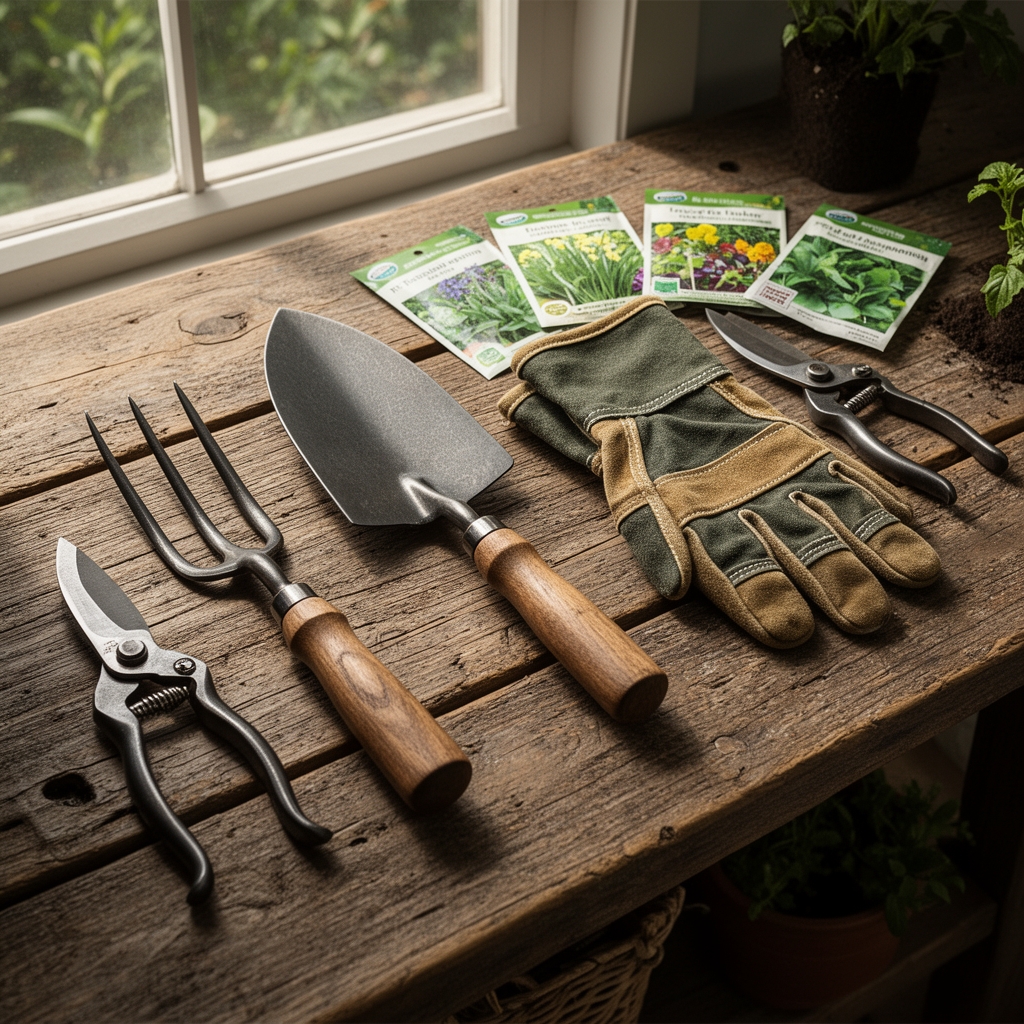
Gathering precise inputs saves time and prevents nutritional deficiencies. For tea herbs, use a balanced 4-4-4 organic fertilizer derived from feather meal, bone meal, and kelp. This blend supports steady auxin distribution in perennial roots. Vegetables with higher fruiting demands require 5-5-5 or 6-4-4 formulations. Apply dolomitic limestone at 5 pounds per 100 square feet if your soil pH falls below 6.0. Incorporate aged compost at a rate of 2 cubic yards per 100 square feet to boost organic matter content to 5 percent or higher. Purchase sulfur granules for lowering pH in alkaline soils. Collect perlite or coarse sand to improve drainage in heavy clay. A broadcast spreader ensures even distribution of granular amendments. A soil thermometer identifies when ground temperature reaches 50 degrees Fahrenheit at 4 inches depth, signaling safe planting windows.
Timing
Hardiness zones dictate when to initiate garden preparation. In Zones 5-6, begin soil amendments in late March or early April, four to six weeks before the last expected frost. Zones 7-8 gardeners can start in late February. Cold-climate growers in Zones 3-4 should wait until mid-April when frost heave risk diminishes. Tea perennials like oregano and thyme tolerate light frosts, allowing transplanting two weeks before the final freeze date. Annual herbs such as basil require soil temperatures above 55 degrees Fahrenheit. Warm-season vegetables including tomatoes and peppers demand 60-degree soil. Use a soil thermometer daily at 8 a.m. for three consecutive mornings to confirm stable temperatures. Fall preparation in Zones 6-8 should occur in September, allowing cover crops like winter rye to establish before dormancy.
Phases
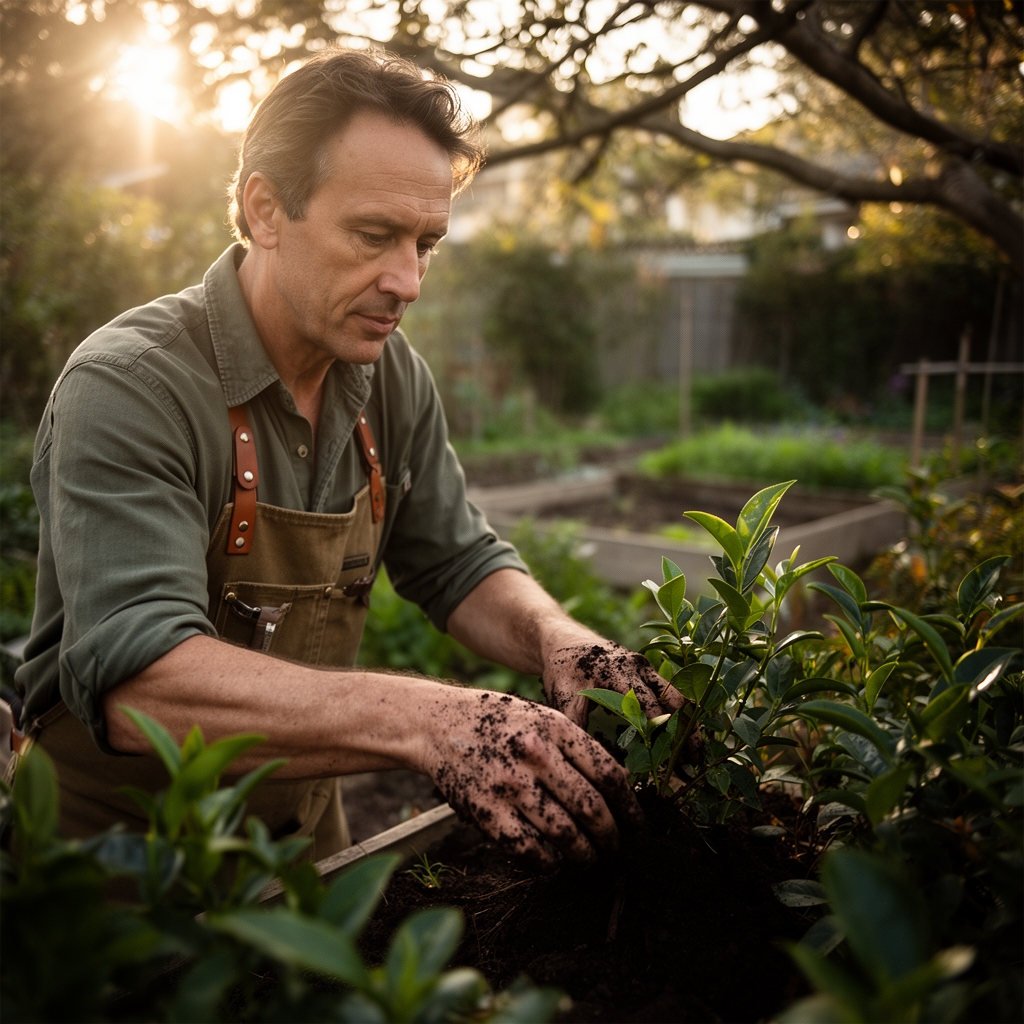
Sowing Phase
Clear all vegetation from the designated plot using a sod cutter set to 2 inches depth. Remove roots and rhizomes to prevent perennial weed regrowth. Conduct a soil test through your local extension office to determine current pH and macronutrient levels. Broadcast dolomitic limestone or sulfur based on test results. Till amendments to 8 inches depth using a rear-tine rototiller. Break clods smaller than 2 inches diameter. Level the bed with a landscape rake, creating a 1-percent slope for drainage.
Pro-Tip: Inoculate the tilled soil with endomycorrhizal fungi spores at 1 ounce per 10 square feet. These symbiotic organisms colonize herb and vegetable roots within 14 days, extending effective root surface area by 700 percent.
Transplanting Phase
Construct raised beds 8 inches high and 4 feet wide if native soil has poor drainage. Fill beds with a blend of 50 percent native soil, 30 percent aged compost, and 20 percent perlite. Position tea herbs along the north or east edge where they receive morning sun but afternoon shade. Plant determinate vegetables like bush beans in the center. Allocate the south side for indeterminate tomatoes staked at 6-foot heights. Dig transplant holes twice the root ball width. Position transplants so the crown sits level with the soil surface. Backfill gently without compacting.
Pro-Tip: Prune tomato transplants at a 45-degree angle just above the second true leaf set before planting. This encourages lateral branching and increases fruiting nodes by 25 percent.
Establishing Phase
Water transplants immediately with 2 cups per plant. Apply a 3-inch layer of shredded hardwood mulch around each plant, keeping mulch 2 inches away from stems to prevent crown rot. Install drip irrigation on a timer delivering 1 inch of water per week, split into two 0.5-inch sessions. Monitor soil moisture at 4 inches depth using a tensiometer; maintain readings between 10-20 centibars for herbs and 15-25 centibars for vegetables.
Pro-Tip: Apply foliar seaweed extract at 2 tablespoons per gallon every 14 days during establishment. Cytokinins in seaweed promote cell division in meristematic tissue, accelerating root development by 18 percent.
Troubleshooting
Symptom: Yellowing lower leaves with green veins on basil and mint. Solution: This indicates iron chlorosis caused by pH above 7.2. Apply chelated iron at 1 tablespoon per gallon as a soil drench. Retest pH and incorporate sulfur to lower it to 6.5.
Symptom: Blossom end rot on tomatoes and peppers. Solution: Calcium deficiency exacerbated by inconsistent watering. Apply calcium nitrate at 1 tablespoon per gallon weekly for three weeks. Ensure soil moisture remains constant using mulch and drip systems.
Symptom: White powdery coating on oregano and squash leaves. Solution: Powdery mildew thrives in humid, crowded conditions. Remove affected foliage. Spray potassium bicarbonate solution (1 tablespoon per quart) every 7 days. Increase spacing to improve air circulation.
Symptom: Stunted growth with purple leaf undersides. Solution: Phosphorus deficiency common in cold soils below 55 degrees. Delay planting or use black plastic mulch to warm soil. Side-dress with bone meal at 2 tablespoons per plant.
Symptom: Aphid clusters on new growth. Solution: Spray insecticidal soap at 5 tablespoons per gallon, coating undersides thoroughly. Release ladybugs at 1,500 per 1,000 square feet for biological control.
Maintenance
Irrigate established gardens with 1 inch of water weekly, increasing to 1.5 inches during fruit set. Measure output by placing tuna cans throughout the bed and timing irrigation until cans fill to 1 inch. Side-dress vegetables with 5-5-5 fertilizer at 2 tablespoons per plant every 4 weeks. Tea herbs require feeding only twice per season. Harvest herbs before 10 a.m. when essential oil concentration peaks. Prune basil and mint by removing the top 2 inches of each stem every 3 weeks to prevent flowering and encourage bushiness. Stake indeterminate tomatoes using the Florida weave method, wrapping twine around stakes every 8 inches of vertical growth. Remove tomato suckers below the first flower cluster to direct energy toward fruit production.
FAQ
When should I start preparing my tea and vegetable garden?
Begin four to six weeks before your last expected frost date. In Zones 5-6, this means late March. Zones 7-8 can start in late February.
What is the ideal soil pH for combined tea herbs and vegetables?
Target pH 6.5. This accommodates chamomile and mint (which tolerate 6.0-7.0) and vegetables like tomatoes and peppers (which prefer 6.2-6.8).
How deep should I till amendments into the soil?
Till to 8 inches depth. This depth allows for root penetration and proper mycorrhizal colonization without disrupting deeper soil structure.
Can I grow mint and basil together?
Yes, but mint spreads aggressively through rhizomes. Plant mint in buried containers (12 inches deep) or allocate a separate bed section with physical barriers.
How often should I fertilize tea herbs versus vegetables?
Fertilize perennial herbs twice per season with 4-4-4 organic blends. Feed fruiting vegetables every 4 weeks with 5-5-5 formulations during active growth.