9 Sturdy Steps to Prepare a DIY Indoor Plant Trellis
Learning how to prepare a DIY plant trellis for pots transforms cramped windowsills into productive vertical gardens. The scent of jasmine winding upward, the weight of tomato clusters pulling against bamboo stakes, the cool touch of galvanized wire under your fingers: these sensations define successful indoor trellising. Most potted climbers fail not from poor genetics but from inadequate structural support that disrupts auxin distribution and causes stem breakage. A properly engineered trellis anchors root systems, improves air circulation to prevent fungal colonization, and maximizes photosynthetic surface area in limited square footage.
Materials
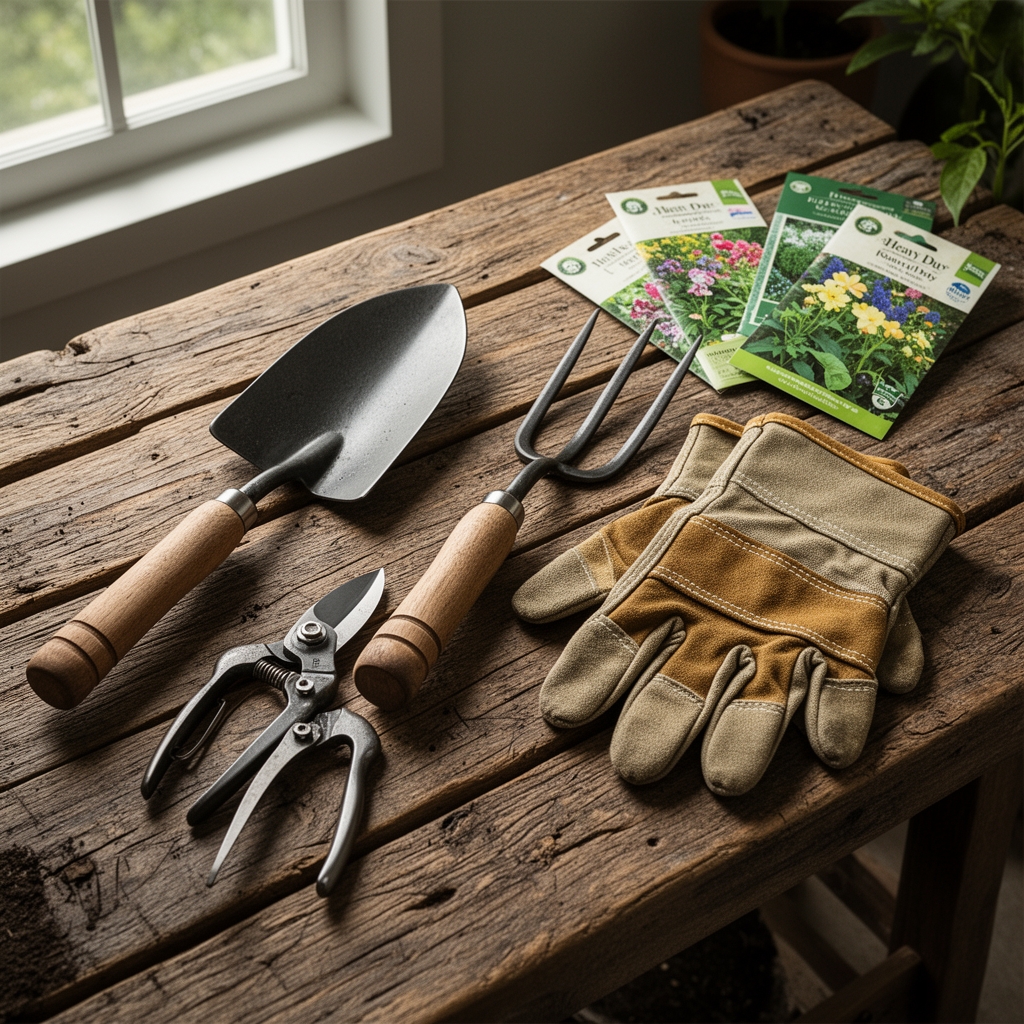
Select bamboo stakes (6 to 8 feet length, 0.75-inch diameter) for lightweight climbers under 15 pounds mature weight. Choose galvanized steel wire mesh (14-gauge, 2-inch grid) for heavy fruiting varieties that exceed 25 pounds. Cedar or redwood dowels (1-inch diameter) resist rot in high-humidity environments and last five to seven years indoors.
Secure jute twine (3-ply, untreated) for soft-stemmed annuals. Use vinyl-coated plant ties for woody perennials to prevent girdling as stems expand. Acquire terracotta pots (12 to 18-inch diameter) with drainage holes to maintain optimal cation exchange capacity. Standard potting mix should test at pH 6.0 to 6.8 for most climbers.
Amend substrate with organic fertilizer at 4-4-4 NPK ratio. Incorporate mycorrhizal fungi inoculant (Glomus intraradices species) at 0.5 ounces per gallon of soil to enhance phosphorus uptake. Add perlite at 20 percent volume to improve drainage and prevent anaerobic conditions that encourage Pythium root rot.
Timing
Hardiness Zones 3 through 7 require indoor trellis installation between March 15 and April 30, aligning with 12-hour photoperiods that trigger climbing behavior. Zones 8 through 10 permit year-round installation but show optimal growth when started September through November to avoid summer heat stress above 85°F.
Monitor last frost dates in your region. Indoor trellises allow climbers to establish 6 to 8 weeks before outdoor transplanting. Photoperiod-sensitive species like morning glories require 14-hour daylight exposure beginning in late winter. Install grow lights (6500K spectrum, 2000 lumens minimum) if natural light falls below 10 hours daily.
Temperature stability matters more than calendar dates. Maintain ambient air between 65°F and 75°F during establishment. Fluctuations exceeding 15°F within 24 hours disrupt cell elongation and weaken climbing tendrils.
Phases
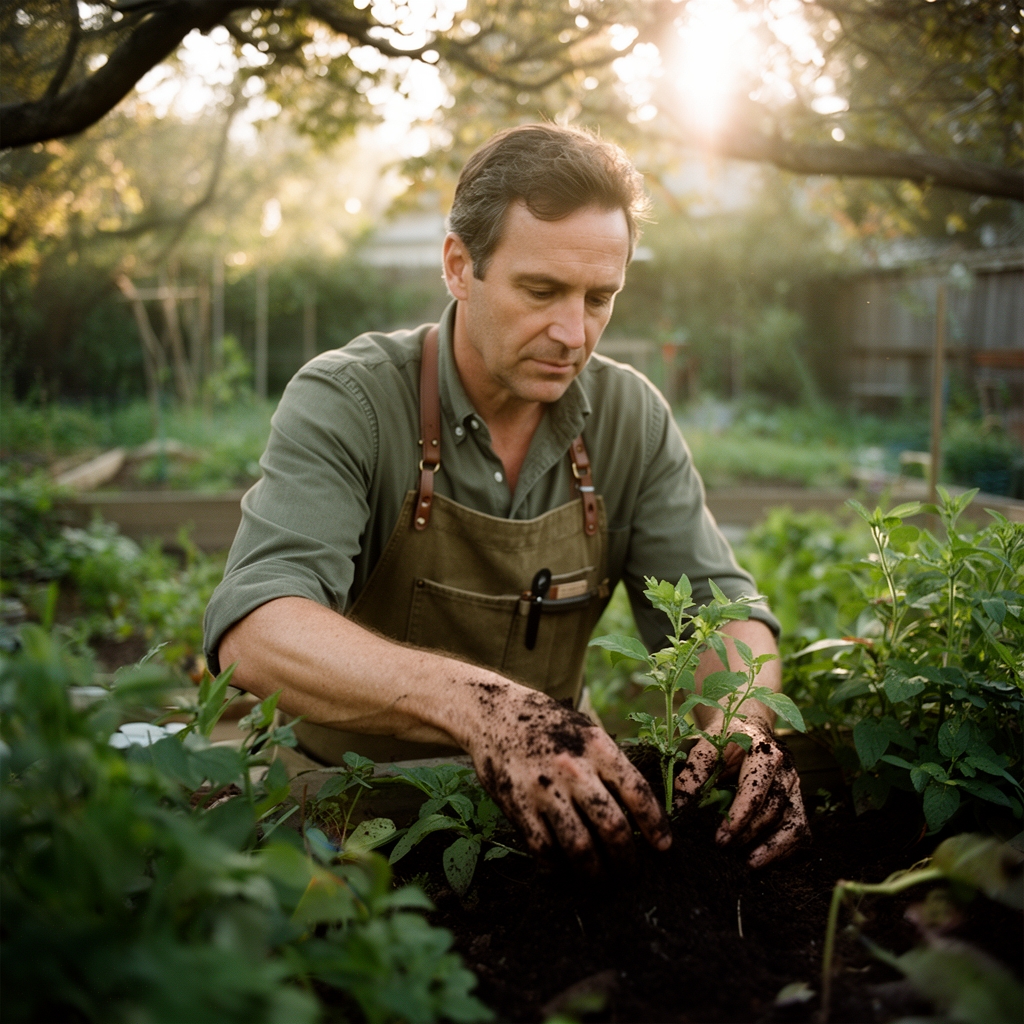
Sowing Phase
Fill pots to 2 inches below rim with amended substrate. Insert trellis stakes at pot perimeter, angling inward at 15 degrees to create conical support structure. Space stakes 4 inches apart for dense climbers like sweet peas. Direct-sow seeds 0.5 inches deep, positioning them 2 inches from stake bases.
Water until substrate reaches field capacity (water drains freely from bottom holes). Maintain surface moisture until germination occurs, typically 7 to 14 days depending on species. Cover pots with clear plastic domes to preserve humidity above 60 percent.
Pro-Tip: Score hard-coated seeds (moonflower, passionflower) with 220-grit sandpaper before sowing to reduce germination time by 40 percent. Soak scored seeds in room-temperature water for 8 hours to activate gibberellin hormones.
Transplanting Phase
Begin when seedlings develop true leaves (second set after cotyledons). Thread stems gently through trellis openings at 6-inch vertical intervals. Use figure-eight ties to attach stems without constricting vascular tissue. Leave 0.25-inch gap between tie and stem to accommodate radial growth.
Harden off transplants by reducing watering frequency to every 72 hours for one week. This stress response triggers lateral root production and strengthens cell walls through increased lignin deposition. Apply diluted fish emulsion (5-1-1 NPK) at half manufacturer strength every 14 days.
Pro-Tip: Pinch terminal buds when plants reach 12 inches height. Removing apical meristem redirects auxin to lateral buds, producing bushier growth with 30 percent more flowering nodes.
Establishing Phase
Train new growth horizontally across trellis wires before allowing vertical ascent. Horizontal training for initial 18 inches increases light interception by lower leaves and improves overall carbohydrate production. Secure stems at 45-degree angles using soft ties.
Monitor for adventitious root formation along buried stem sections. Apply rooting hormone powder (0.1 percent IBA concentration) to stem nodes contacting soil to accelerate secondary root development. Established plants should show 2 to 4 inches of new growth weekly.
Pro-Tip: Inoculate root zone with Trichoderma harzianum fungus at transplant stage. This beneficial organism colonizes roots, outcompetes pathogens, and increases nutrient absorption by 18 percent in controlled studies.
Troubleshooting
Symptom: Yellowing lower leaves with green veins (interveinal chlorosis).
Solution: Iron deficiency from alkaline pH. Drench soil with chelated iron sulfate solution (1 tablespoon per gallon). Retest pH and adjust to 6.2 using elemental sulfur at 0.5 ounces per gallon.
Symptom: Brown leaf margins, crispy texture, stunted growth.
Solution: Salt accumulation from over-fertilization. Flush pots with distilled water at three times container volume. Resume feeding at quarter strength after 7 days.
Symptom: Stems detaching from trellis, weak climbing response.
Solution: Insufficient light disrupts phototropic hormones. Increase light intensity to 3000 lumens minimum. Rotate pots 90 degrees every 3 days to promote even auxin distribution.
Symptom: White cottony masses on stem joints and leaf axils.
Solution: Mealybug infestation. Dab insects with cotton swabs dipped in 70 percent isopropyl alcohol. Spray entire plant with insecticidal soap (2 percent potassium salts of fatty acids) every 5 days for 3 weeks.
Symptom: Sudden wilting despite moist soil.
Solution: Fusarium wilt fungus in vascular tissue. Remove affected plants immediately. Sterilize pots with 10 percent bleach solution. Replace all substrate and avoid replanting susceptible species for 6 months.
Maintenance
Water when top 2 inches of substrate feel dry to touch, approximately every 4 to 5 days in standard indoor conditions. Apply 1 inch of water per irrigation event, measured by placing empty tuna can on soil surface. Drain saucers within 30 minutes to prevent root asphyxiation.
Feed every 21 days during active growth with balanced liquid fertilizer at 10-10-10 NPK ratio, diluted to 200 ppm nitrogen. Reduce feeding frequency to every 45 days during winter dormancy when growth rates decline by 60 percent.
Prune dead or damaged foliage at 45-degree angles using sterilized bypass pruners. Make cuts 0.25 inches above leaf nodes to prevent dieback. Remove spent flowers within 24 hours to redirect energy toward continued blooming rather than seed production.
Retie stems monthly as diameter increases. Check for wire or twine cutting into bark tissue. Replace constricting ties immediately to maintain phloem transport of photosynthates.
FAQ
How deep should trellis stakes penetrate potting soil?
Insert stakes to pot bottom, minimum 10 inches depth for containers 12 inches tall. Shallow insertion causes toppling when mature plant weight exceeds 8 pounds.
Can I reuse trellis materials between growing seasons?
Yes. Sterilize bamboo and wire with 5 percent hydrogen peroxide solution. Soak for 20 minutes, rinse thoroughly, and air-dry for 48 hours before storage.
What climbing mechanism requires which trellis type?
Tendril climbers (peas, cucumbers) need thin supports under 0.5-inch diameter. Twining stems (beans, morning glories) require vertical strings or poles. Clinging vines (ivy) need textured surfaces but are unsuitable for temporary indoor structures.
How do I prevent trellis collapse in large pots?
Anchor stakes to pot drainage holes using galvanized wire threaded through holes and twisted around stake bases. Alternatively, use external A-frame structures that do not rely on substrate anchorage.
When should I replace degraded trellis components?
Replace jute twine annually as UV exposure and moisture reduce tensile strength by 50 percent. Inspect bamboo for surface cracks or soft spots indicating fungal decay. Cedar dowels last 5 seasons with proper sterilization between uses.