6 Recovery Steps to Treat Root Rot with Hydrogen Peroxide
Healthy foliage maintains high turgor pressure; the leaves feel firm and resist bending because the cellular vacuoles are fully hydrated. When the rhizosphere becomes anaerobic due to oversaturation, the smell of damp earth shifts to a sulfurous, swampy odor. This indicates that Pythium or Phytophthora fungi are consuming the root tissue. If the plant wilts despite wet soil, the vascular system has failed. You must act immediately to restore oxygen levels. Following specific steps for treating root rot with hydrogen peroxide can halt the decay and stimulate new cellular growth. This process relies on the chemical release of a single oxygen atom during the decomposition of H2O2, which oxidizes pathogens on contact. The goal is to sanitize the root zone without destroying the delicate root hairs responsible for nutrient uptake. Success requires a clinical approach to sterilization and a complete overhaul of the growing medium. You are not just watering a plant; you are performing a chemical intervention to reset the biological environment of the container or garden bed.
Materials:

Recovery begins with a sterile, well-draining substrate. Prepare a mix of **60 percent coco coir or peat moss and 40 percent perlite** to ensure high porosity. The ideal substrate is a friable loam with a **Cation Exchange Capacity (CEC) between 15 and 25 meq/100g** to retain essential cations like Potassium and Calcium. For the recovery phase, use a low-concentration fertilizer with an **NPK ratio of 5-10-5**. High nitrogen at this stage can force vegetative growth that the compromised root system cannot support. Ensure the soil pH is adjusted to **5.8 to 6.2 for most indoor tropicals**, or **6.5 for temperate garden plants**. You will need **3 percent USP grade hydrogen peroxide**, a clean basin, and distilled water to prevent mineral interference during the oxidation process.
Timing:
In USDA Hardiness Zones 7 through 10, root rot typically peaks during the humid transition from spring to summer when soil temperatures exceed 70 degrees Fahrenheit. At these temperatures, microbial activity accelerates. The biological clock of the plant is critical; treatment is most effective during the vegetative stage before the plant enters senescence or its reproductive phase. If a plant is already flowering, it may lack the caloric reserves to regenerate its root mass. Always perform the peroxide drench during the early morning hours when transpiration rates are low. This prevents the plant from experiencing sudden osmotic shock while the stomata are fully open.
Phases:

Sowing and Preparation
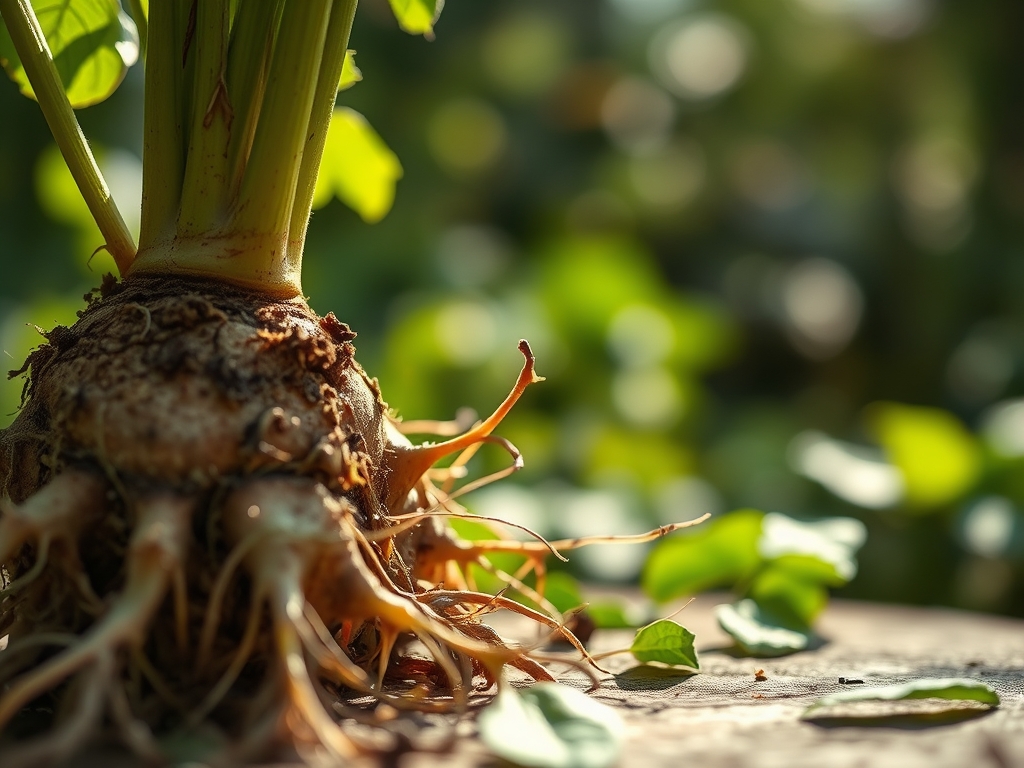
Remove the plant from its container and shake off the contaminated medium. Use a hori-hori knife to prune away any roots that are brown, mushy, or emit an odor. Healthy roots should be white or tan and firm to the touch. Mix a solution of one part 3 percent hydrogen peroxide to two parts distilled water. Submerge the remaining root mass for exactly five minutes.
Pro-Tip: This immersion works because hydrogen peroxide is a strong oxidizing agent that ruptures the cell walls of anaerobic bacteria. It provides an immediate "oxygen flush" to the root tissue, reversing the effects of hypoxia.
Transplanting
Place the sanitized plant into a new or sterilized pot with fresh, friable substrate. Ensure the pot has at least three drainage holes to prevent future water logging. Do not pack the soil tightly; the bulk density should remain low to allow for gas exchange. Settle the soil by tapping the pot on a hard surface rather than pressing down with your hands.
Pro-Tip: Maintaining high soil porosity is essential for mycorrhizal symbiosis. These beneficial fungi require aerobic conditions to form the hyphal networks that help the plant absorb phosphorus and water.
Establishing
Keep the plant in indirect light for 7 to 10 days following treatment. During this period, the plant will focus energy on root elongation rather than leaf production. Monitor the soil moisture daily using a soil moisture meter. Do not water until the top two inches of the substrate feel dry.
Pro-Tip: Reducing light intensity temporarily lowers the rate of photosynthesis, which in turn reduces the demand for water transport. This allows the plant to redirect auxins to the root tips to stimulate rapid cellular division.
The Clinic:
Symptom: Interveinal Chlorosis
This appears as yellowing between the leaf veins while the veins remain green. It often indicates a Magnesium deficiency caused by root damage.
Solution: Apply a foliar spray of Epsom salts (magnesium sulfate) at a rate of one tablespoon per gallon of water to bypass the damaged roots.
Symptom: Leaf Tip Burn
Brown, crispy edges on new growth suggest a Calcium deficiency or salt buildup.
Solution: Flush the soil with distilled water and ensure the pH is above 5.5, as calcium becomes less available in highly acidic environments.
Symptom: Stunted Growth
If the plant remains stationary for weeks, it likely has a Nitrogen deficiency due to the loss of fine root hairs.
Solution: Once new white roots appear, apply a diluted 5-5-5 liquid fertilizer at half strength to support chlorophyll production.
Maintenance:
Post-recovery maintenance requires surgical precision. Use bypass pruners sterilized with isopropyl alcohol to remove any yellowing leaves, which prevents the plant from wasting energy on dying tissue. Provide exactly 1.5 inches of water per week, delivered slowly at the drip line to ensure deep penetration without saturating the crown. Use a soil moisture meter to verify that the root zone is between 40 and 60 percent moisture capacity before adding more water. If the plant is outdoors, apply a two-inch layer of hardwood mulch to stabilize soil temperatures, but keep the mulch three inches away from the main stem to prevent crown rot.
The Yield:
For flowering plants or herbs, harvesting should be delayed until the plant shows at least three nodes of new, healthy growth. Use sharp snips to harvest in the early morning when the plant is at peak turgidity. For "day-one" freshness, immediately place the cut stems in 40-degree Fahrenheit water to slow the rate of respiration. This post-harvest cooling preserves the volatile oils and sugars within the plant tissue, ensuring the highest quality output after the stress of root recovery.
FAQ:
What ratio of hydrogen peroxide should I use?
Use a mixture of one part 3 percent hydrogen peroxide to two parts water. This concentration is strong enough to kill fungal spores but diluted enough to avoid damaging the delicate protective layer of the root epidermis.
Can I use hydrogen peroxide on all plants?
Most vascular plants tolerate H2O2 well. However, avoid using it on very young seedlings or unrooted cuttings, as their cell walls are not yet thick enough to withstand the oxidative stress without sustaining significant tissue damage.
How often should I repeat the peroxide treatment?
Repeat the treatment only if symptoms of rot persist after 14 days. Over-application can sterilize the soil too thoroughly, killing the beneficial microbes necessary for the nitrogen cycle and long-term plant health.
Does hydrogen peroxide affect soil pH?
Hydrogen peroxide is slightly acidic but has a negligible effect on overall soil pH once diluted. It quickly breaks down into water and oxygen, leaving no chemical residue that would alter the Cation Exchange Capacity of your substrate.