8 Best Privacy Plants for Effective Backyard Design
The scent of damp, mineral-rich earth signals the start of a successful planting season when the soil temperature reaches a consistent 55 degrees Fahrenheit. You can feel the turgor pressure in a healthy leaf; it is firm and resists the touch because the vacuoles are fully hydrated. Selecting the best plants for backyard design requires more than an aesthetic eye. It demands an understanding of cellular structure and local ecology. A privacy screen is a living bio-wall that must withstand wind shear and fluctuating humidity while maintaining dense foliage. Poorly selected species will suffer from leggy growth or premature senescence, failing to provide the visual density required for seclusion. By prioritizing structural integrity and physiological health, you transform a boundary into a functional ecosystem. Success depends on the intersection of soil chemistry and light availability. Every shrub or tree added to the landscape acts as a carbon sink and a windbreak, provided the root system establishes a strong foothold in the rhizosphere within the first two growing seasons.
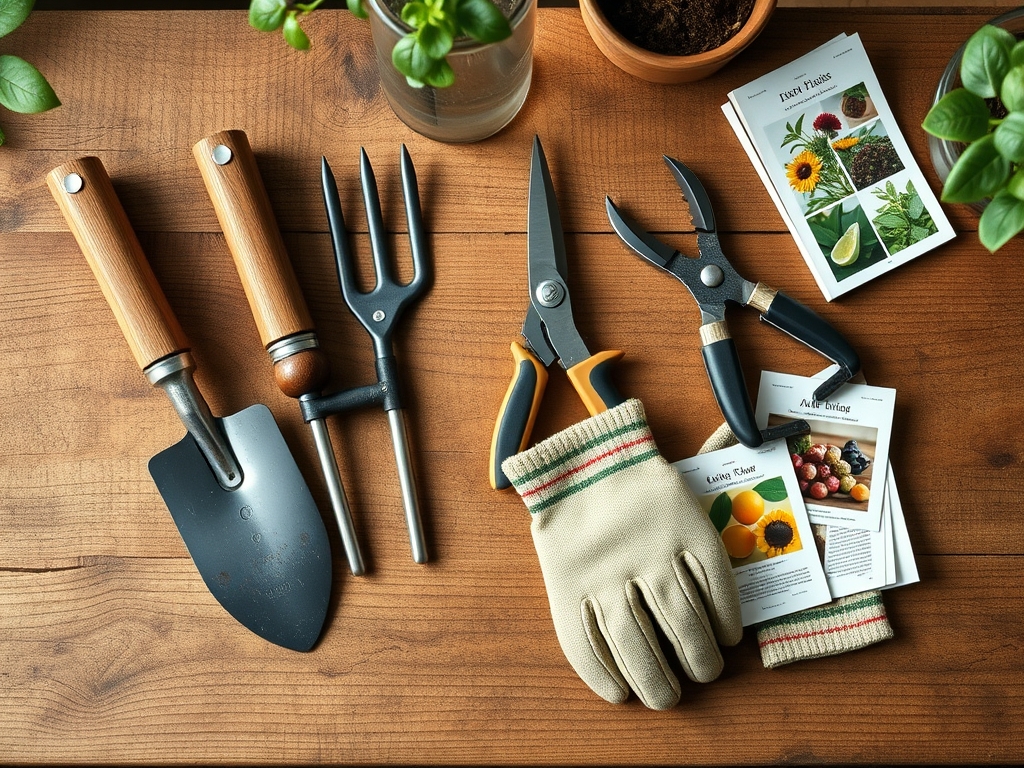
Materials:
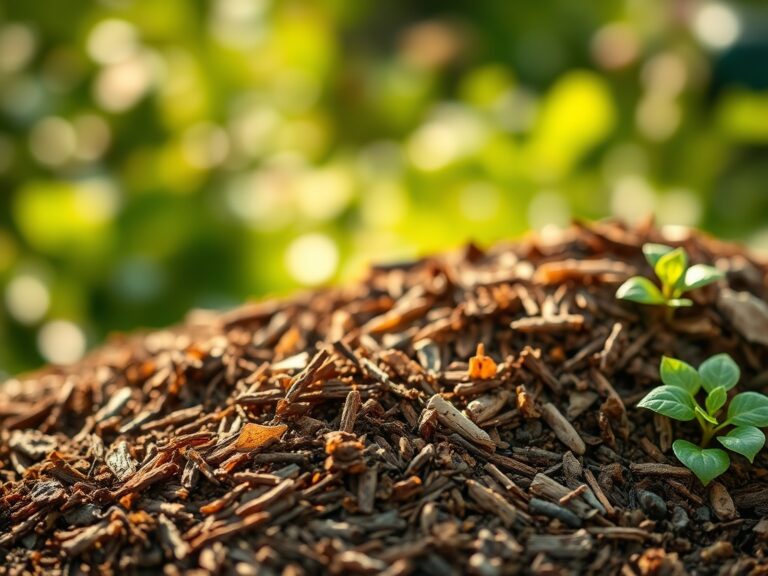
The foundation of any privacy screen is the substrate. Most evergreen species require a pH range of 5.5 to 6.5 to ensure optimal nutrient availability. High alkalinity can lead to iron chlorosis, where the plant cannot synthesize chlorophyll despite the presence of minerals in the soil. The ideal substrate is a friable loam consisting of 40 percent sand, 40 percent silt, and 20 percent clay. This composition ensures a high Cation Exchange Capacity (CEC), allowing the soil to hold onto essential positively charged ions like calcium and magnesium.
For rapid establishment, use a balanced NPK ratio of 10-10-10 during the first year to support root development and cellular expansion. Once the plants reach the desired height, shift to a high-nitrogen 20-10-10 formula to maintain dense, dark green foliage. If you are planting acid-loving species like Thuja occidentalis, incorporate elemental sulfur to lower the pH. Ensure the soil has a high organic matter content to support mycorrhizal fungi, which extend the reach of the root system and improve water uptake during periods of drought.
Timing:
Timing is dictated by the USDA Hardiness Zones. For most privacy species, planting should occur in late autumn or early spring when the plant is in a state of dormancy. This allows the root system to develop without the metabolic stress of supporting new leaf growth. The "Biological Clock" of these plants is governed by the photoperiod, the length of daily light exposure.
In Zones 5 through 7, the ideal window is between the first frost and the ground freezing. In warmer Zones 8 through 10, late autumn planting is preferred to avoid the heat of summer. During the transition from the vegetative stage to the reproductive stage, the plant redirects energy from height to lateral branching. Understanding this shift allows you to prune at the correct moment to encourage a thicker, more opaque screen. Avoid planting during the "dog days" of summer when evapotranspiration rates exceed the plant's ability to draw moisture from the soil.
Phases:
Sowing and Selection
Select specimens that show no signs of root-binding. When choosing the best plants for backyard design, look for apical dominance in upright evergreens. This ensures the plant will continue to grow vertically rather than sprawling. If starting from seed, scarification may be necessary to break the seed coat and trigger germination.
Pro-Tip: Check for auxin suppression. If the central leader is damaged, the plant will lose its vertical trajectory. Auxins are hormones that inhibit lateral bud growth; keeping the main stem intact ensures the plant reaches its maximum height quickly.
Transplanting
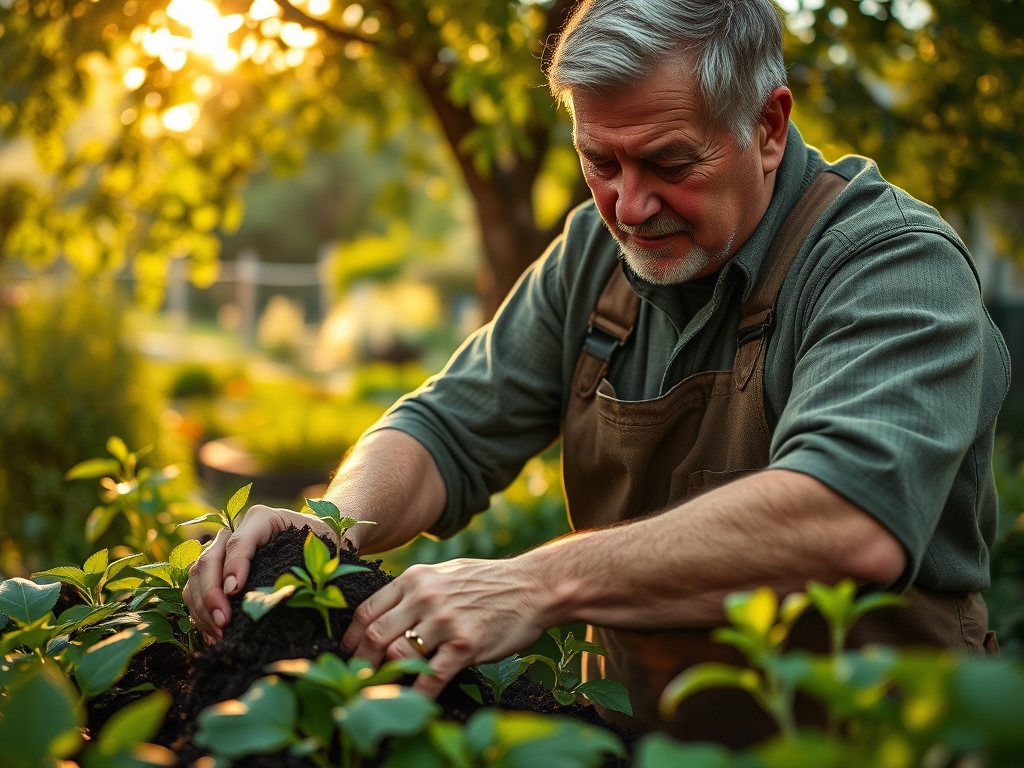
Dig a hole twice as wide as the root ball but no deeper. The root flare, where the trunk meets the roots, must remain at or slightly above the soil line. Planting too deep causes oxygen deprivation in the rhizosphere, leading to root rot. Use a hori-hori knife to score the sides of the root ball if the plant is pot-bound.
Pro-Tip: Introduce mycorrhizal symbiosis by adding fungal inoculants to the planting hole. These fungi form a mutualistic relationship with the roots, increasing the surface area for nutrient absorption by up to 100 times.
Establishing
During the first 12 months, the plant focuses on structural root growth. Provide consistent irrigation to maintain high turgor pressure. Mulch with three inches of organic material to regulate soil temperature and prevent moisture loss. Do not fertilize for the first 60 days to avoid burning new, tender root hairs.
Pro-Tip: Utilize phototropism to your advantage. If planting near a fence, ensure the plant receives at least six hours of sunlight. Lack of light on one side will cause the plant to grow unevenly as it leans toward the sun, creating gaps in your privacy screen.
The Clinic:
Physiological disorders often mimic disease but are usually caused by environmental stress or nutrient imbalances.
- Symptom: Yellowing of older leaves while veins remain green.
Solution: This is Magnesium deficiency. Apply Epsom salts (magnesium sulfate) at a rate of one tablespoon per gallon of water to restore chlorophyll production. - Symptom: Needle browning from the inside out in evergreens.
Solution: This is often internal shading. The plant is shedding inefficient needles that do not receive enough light. Prune the exterior lightly to allow light penetration. - Symptom: Stunted growth and dark purple tint on foliage.
Solution: This indicates Phosphorus deficiency, common in cold, wet soils. Increase the soil temperature with mulch and apply a high-phosphorus "starter" fertilizer. - Symptom: Leaf margins appearing burnt or scorched.
Solution: This is Potassium deficiency or salt burn. Flush the soil with fresh water and check the CEC of your substrate.
Maintenance:
Precision is the hallmark of professional maintenance. Use a soil moisture meter to ensure the root zone remains at 40 to 60 percent field capacity. Most privacy hedges require 1.5 inches of water per week delivered at the drip line, not the trunk. Overhead watering should be avoided to prevent fungal pathogens from colonizing the foliage.
Pruning should be done with sharp bypass pruners to ensure clean cuts that heal quickly. For hedges, always prune the top slightly narrower than the base. This "tapered" shape allows sunlight to reach the bottom branches, preventing the "bare legs" look common in neglected landscapes. Use a hori-hori knife to remove invasive weeds that compete for nitrogen in the rhizosphere. Annual core aeration around the drip line will prevent soil compaction and improve oxygen exchange.
The Yield:
While privacy plants are rarely "harvested" in the traditional sense, their yield is measured in biomass and density. To maintain "day-one" freshness and vigor, perform a rejuvenation prune every three years. This involves removing one-third of the oldest wood to the ground. This stimulates the production of new, more efficient photosynthetic tissue. If you are using flowering privacy plants like Prunus laurocerasus, prune immediately after the bloom cycle to avoid cutting off next year's buds.
FAQ:
How far apart should I space privacy plants?
Space plants based on their mature width. For a dense screen, overlap the predicted spread by 25 percent. For example, if a shrub grows 4 feet wide, space them 3 feet apart on center to ensure a seamless barrier.
What is the fastest-growing privacy plant?
The Thuja Green Giant can grow 3 to 5 feet per year under optimal conditions. It requires full sun and well-drained soil with a pH between 5.0 and 6.5 to maintain its rapid growth rate and cellular density.
Can I grow privacy screens in the shade?
Yes, species like Taxus (Yew) or Skip Laurel tolerate low-light conditions. These plants have a lower compensation point, meaning they can maintain positive net photosynthesis even in filtered light or partial shade environments.
How do I stop my hedge from getting too tall?
Maintain the desired height by pruning the apical meristem. Once the central leader is cut, the plant's hormones shift to favor lateral branching, resulting in a shorter, wider, and denser hedge rather than a tall, thin one.