9 Best Mulch Types for Enhancing Your Backyard Design
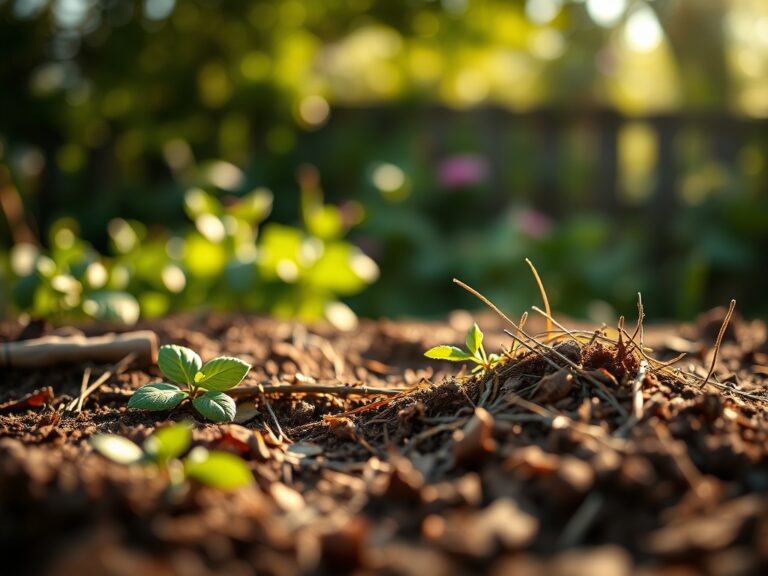
The smell of damp earth and the high turgor pressure of a hydrated leaf indicate a root system functioning at peak efficiency. When the rhizosphere is protected, the plant maintains cellular stability even under thermal stress. Selecting the best mulch for backyard design is not merely an aesthetic choice; it is a technical intervention in soil thermodynamics and moisture retention. A properly applied mulch layer regulates the soil temperature at a depth of four inches, preventing the radical fluctuations that trigger premature senescence in sensitive perennials. By suppressing weed germination through light exclusion, you preserve the nutrient profile for your primary cultivars. This guide analyzes nine specific materials through the lens of soil science and horticultural engineering to ensure your landscape thrives.
Materials:
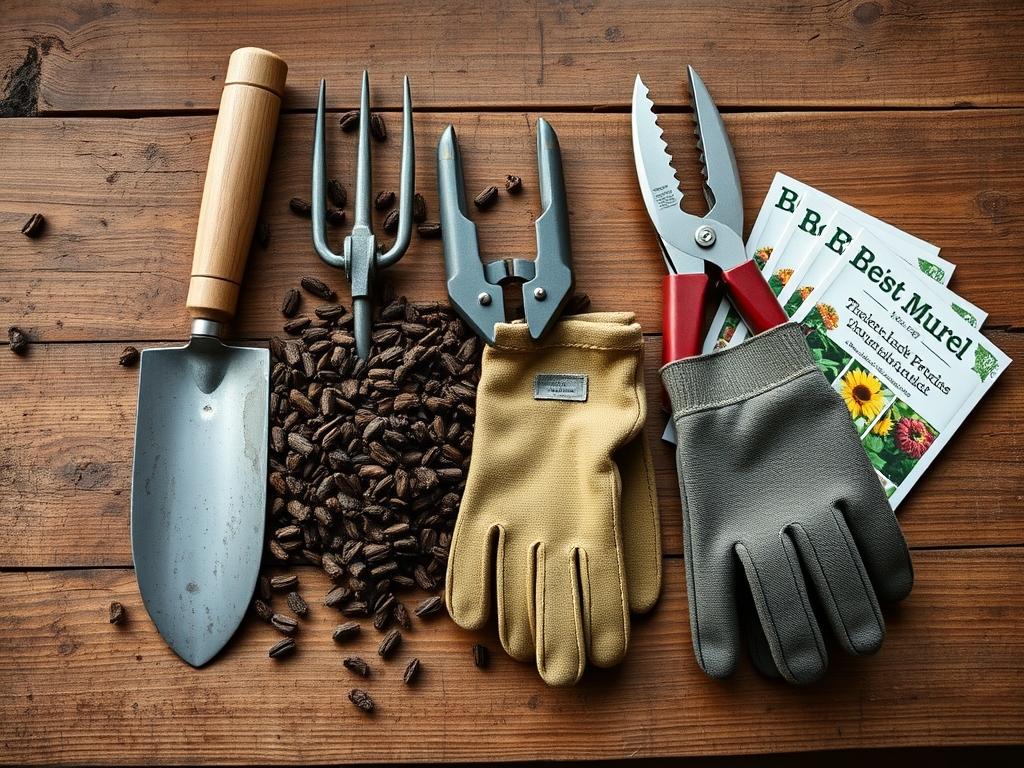
The ideal substrate is a friable loam with a Cation Exchange Capacity (CEC) above 15 milliequivalents per 100 grams. Mulch selection must align with the target soil pH, which for most ornamental landscapes should sit between 6.0 and 7.0.
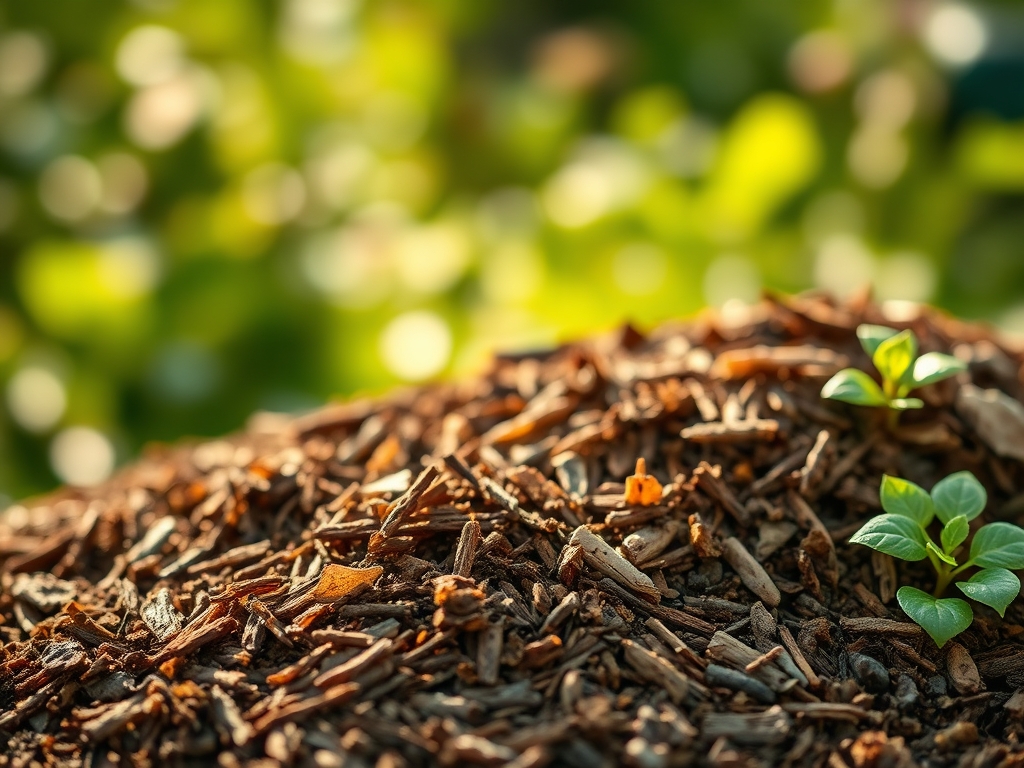
- Arborist Wood Chips: These provide a diverse carbon-to-nitrogen ratio. As they decompose, they foster a fungal-dominant soil profile.
- Pine Bark Nuggets: Ideal for acid-loving plants like Azaleas. They maintain a pH of 4.5 to 5.0 and offer high durability.
- Pine Straw: High in tannins and excellent for sloped terrain. It allows for rapid gas exchange in the soil.
- Straw (Wheat or Oat): Best for vegetable beds. It provides a clean barrier for fruit but requires monitoring for seed contamination.
- Shredded Cedar: Contains natural thujone, which acts as a botanical deterrent for certain detritivores.
- Leaf Mold: Partially decomposed deciduous leaves. This is the gold standard for increasing soil organic matter (SOM).
- Pea Gravel: An inorganic option for xeric designs. It provides zero nutritional value but offers superior drainage for succulents.
- Buckwheat Hulls: Fine-textured and dark. They have a neutral pH and settle into a dense, protective mat.
- Composted Manure: High NPK ratios (often 1-1-1 or 2-1-2). This acts as both a mulch and a slow-release fertilizer.
Timing:
Application timing depends on your USDA Hardiness Zone. In Zones 5 through 7, apply mulch after the first hard frost to insulate the root zone and prevent "heaving" caused by freeze-thaw cycles. In warmer Zones 8 through 10, apply in early spring before soil temperatures reach 65 degrees Fahrenheit. This locks in winter moisture before the high-evapotranspiration period of summer. Understanding the biological clock of your plants is essential. During the transition from vegetative to reproductive stages, the plant's demand for phosphorus and potassium increases. Applying nutrient-dense mulches like composted manure during this window supports floral development and fruit set.
Phases:

Sowing and Preparation
Clear all perennial weeds using a hori-hori knife to ensure the taproots are removed. Ensure the soil is moist before application; applying mulch to bone-dry soil can create a hydrophobic barrier.
Pro-Tip: Avoid placing mulch directly against the stem or trunk. This prevents the "volcano mulching" effect which traps moisture against the bark, leading to fungal pathogens and the disruption of gas exchange in the cambium layer.
Transplanting and Integration
When installing new nursery stock, dig a hole twice as wide as the root ball. After backfilling with native soil, apply a three-inch layer of mulch starting two inches away from the crown.
Pro-Tip: Mycorrhizal symbiosis is enhanced by organic mulches. As wood chips break down, they provide the carbon source necessary for arbuscular mycorrhizal fungi to extend their hyphae, effectively increasing the root surface area by up to 1,000 percent.
Establishing the Canopy
As the garden matures, the "living mulch" of the plant canopy will begin to shade the ground. Monitor the decomposition rate of your chosen material. Organic mulches typically lose one inch of depth per year through microbial oxidation.
Pro-Tip: Auxin suppression occurs when light reaches the soil surface, triggering weed seed germination. Maintaining a consistent mulch depth of three inches ensures that the red-to-far-red light ratio remains too low to activate the phytochrome response in weed seeds.
The Clinic:
Physiological disorders often stem from improper mulching techniques or material choice.
- Symptom: Nitrogen Chlorosis (yellowing of older leaves).
- Solution: This occurs when high-carbon mulches (like fresh sawdust) are tilled into the soil, causing "nitrogen drawdown" as microbes consume available N to break down the carbon.
- Fix-It: Surface-apply a high-nitrogen fertilizer (NPK 10-0-0) or blood meal to satisfy microbial demand without starving the plant.
- Symptom: Slime Mold (Fuligo septica).
- Solution: This is a harmless saprophytic organism feeding on the decaying mulch.
- Fix-It: Physically disrupt the mold with a rake to increase airflow and desiccation.
- Symptom: Root Rot (Phytophthora).
- Solution: Caused by excessive mulch depth (over 4 inches) or poor drainage.
- Fix-It: Reduce mulch thickness and ensure the soil is not saturated. Use a soil moisture meter to verify that the top two inches of soil are dry before re-watering.
Maintenance:
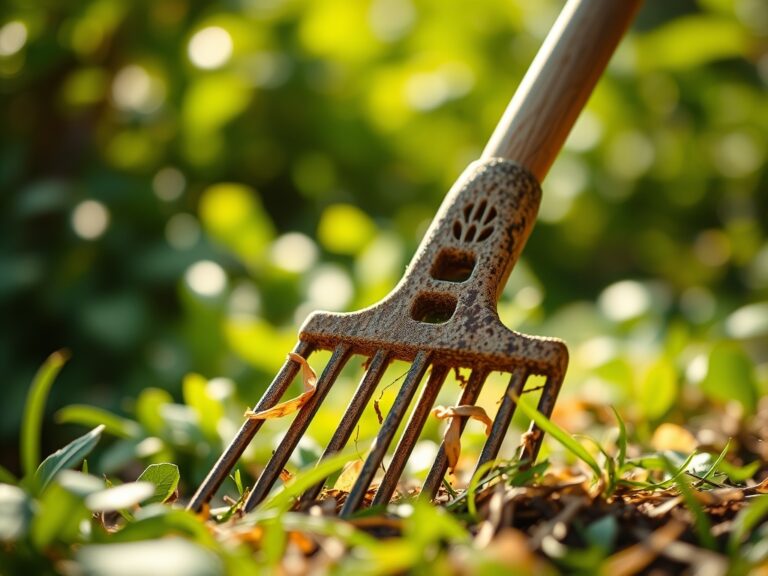
Precision is required for long-term landscape health. Provide 1.5 inches of water per week at the drip line during the growing season. Use bypass pruners to remove any suckers that emerge from the base of grafted plants, as mulch can sometimes hide these emerging stems. Every spring, use a garden fork to fluff existing mulch that has become "matted." This prevents the formation of a mycelial mat that sheds water rather than absorbing it. Check the soil pH annually; if using pine-based products over several years, you may need to apply pelletized lime to counteract gradual acidification.
The Yield:
For those using mulch in edible landscapes, harvest timing is critical. For root crops like carrots or beets, mulch allows for a later harvest by preventing the ground from freezing. When harvesting, use a hori-hori knife to cut the taproot cleanly. To maintain "day-one" freshness, hydro-cool the produce immediately by submerging it in 40-degree Fahrenheit water. This removes field heat and slows the respiration rate, preserving the sugars and vitamins within the plant tissues.
FAQ:
What is the best mulch for weed suppression?
A three-inch layer of wood chips or shredded bark is most effective. These materials create a physical barrier and block the light spectrum required for weed seed germination.
How often should I replace organic mulch?
Top-dress with one inch of fresh material annually. Most organic mulches decompose at a rate of 25 to 50 percent per year depending on local humidity and microbial activity.
Can mulch change my soil pH?
Yes. Pine-based mulches can slightly lower pH over several years. Conversely, hardwood mulches tend to have a neutral to slightly alkaline effect as they fully mineralize into the soil profile.
Does mulch attract termites?
Mulch does not attract termites to a property, but it provides the moisture and thermal stability they prefer. Keep all mulch at least six inches away from the wooden structural elements of your home.